Ultra-slim sliding door details
Home

double glazing aluminum windows

double glazing aluminum windows

  • Double Glazing vs. Triple Glazing: Which Is Better for Aluminum Windows?
    Double Glazing vs. Triple Glazing: Which Is Better for Aluminum Windows?
    Nov 12, 2026
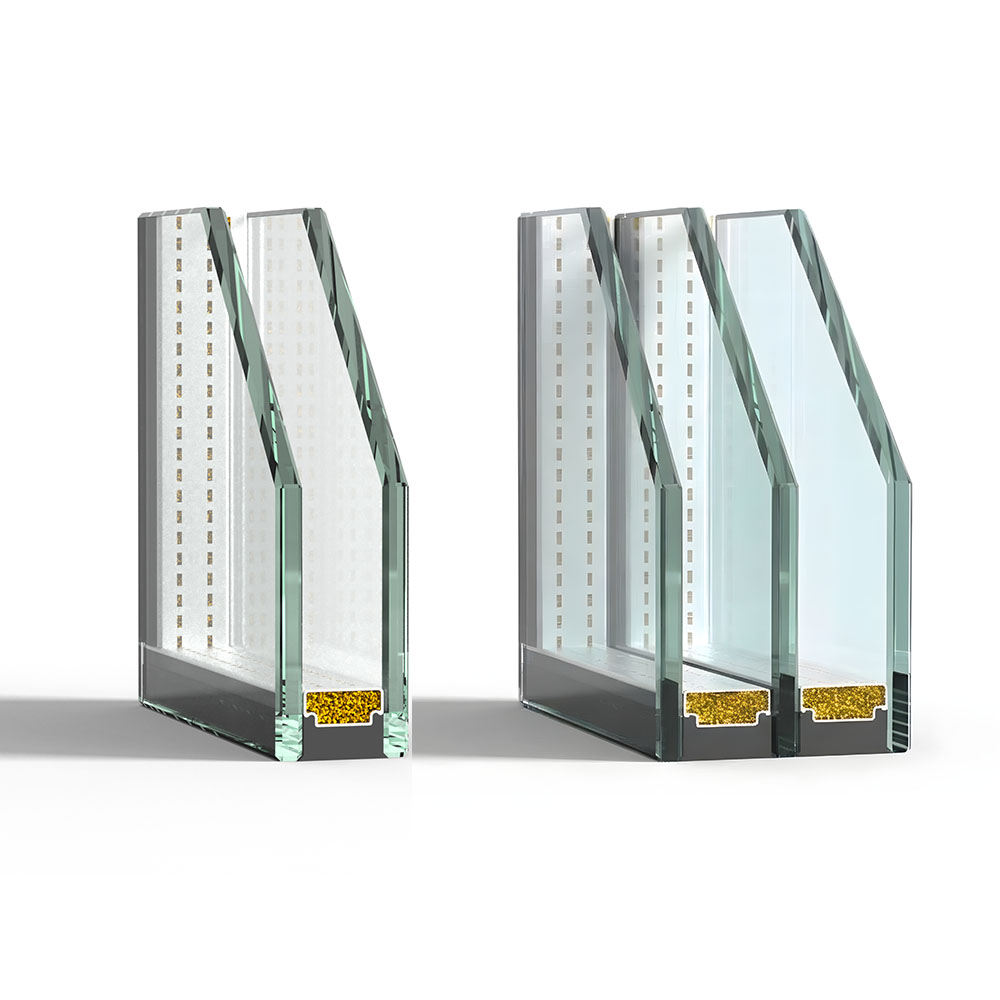
    When selecting high-performance fenestration for a modern home or commercial project, glass occupies up to 85% to 90% of the total window surface area. That means choosing between double glazing aluminum windows and triple glazing aluminum windows has a massive impact on your building’s energy efficiency, indoor comfort, noise reduction, and overall project budget.     While aluminum frames offer superior structural strength and slim profiles, pairing them with the right Insulated Glass Unit (IGU) is essential. Let’s break down the differences between double and triple glazing to help you decide which option best fits your project. 1. What Is Double Glazing for Aluminum Windows?   Double glazing consists of two panes of glass separated by an airtight spacer bar (often filled with insulating argon gas). Thermal & Acoustic Performance: The trapped gas layer drastically slows down heat transfer compared to single-pane glass while cutting down everyday street noise. Best Applications: Double glazing aluminum windows are the global standard for most residential homes, offices, and modern apartment buildings in mild-to-moderate climate zones. They balance strong energy performance with lighter sash weight and lower upfront costs. 2. What Is Triple Glazing for Aluminum Windows?   Triple glazing takes insulation a step further by adding a third pane of glass, creating two separate gas-filled insulating cavities within the window sash. Thermal & Acoustic Performance: With an extra barrier of glass and gas, triple glazing aluminum windows achieve exceptionally low U-values (superior heat retention) and block out heavy outdoor noise—making them ideal for properties near airports, highways, or harsh winter climates. Structural Requirements: Because three glass panes are significantly heavier, triple glazing requires heavy-duty thermal break aluminum windows engineered with robust hinges and reinforced multi-point locking hardware. 3. Side-by-Side Comparison: Double vs. Triple Glazing   When planning your budget for residential aluminum doors and windows, comparing key performance metrics helps clarify the return on investment: Comparison Factor Double Glazing Aluminum Windows Triple Glazing Aluminum Windows Energy Efficiency (U-Value) Very Good (meets most standard energy codes) Maximum (ideal for passive houses & extreme cold) Soundproofing Good (blocks standard suburban noise) Superior (blocks heavy traffic & urban noise) Window Weight Lighter (easier on hinges and hardware) Heavier (requires heavy-duty aluminum frames) Upfront Cost More budget-friendly ~15% to 25% higher upfront investment 4. Which Glazing Option Should You Choose? Choose Double Glazing if: You are building in a temperate or warm climate, want to optimize upfront custom aluminum windows and doors cost, and desire maximum natural light transmission (two panes let slightly more daylight pass through than three). Choose Triple Glazing if: Your project is located in regions with freezing winters, extreme summer heat, or high urban noise pollution, and your top priority is achieving the lowest possible long-term HVAC bills. 5. Sourcing Custom Insulated Windows Direct from the Manufacturer Whether your blueprints require double-pane or triple-pane configurations, glass performance is only effective when paired with precision-engineered aluminum profiles. Partnering directly with an experienced aluminum windows manufacturer or a specialized aluminum doors and windows factory ensures your windows are built to exact tolerances: Custom Glass Upgrades: Combine double or triple glazing with Low-E (low-emissivity) coatings, laminated security glass, or tinted solar-control panes. Factory-Direct Economics: Working directly with a certified aluminum doors and windows supplier China eliminates middleman markups, giving builders and homeowners wholesale pricing on custom aluminum windows. Frequently Asked Questions (FAQs) Q1: Is triple glazing worth the extra cost for aluminum windows? A: In regions with harsh winters, extreme temperatures, or heavy external noise, triple glazing is well worth the investment due to significant long-term heating/cooling savings and superior quietness. In mild climates, high-performance double glazing with a Low-E coating usually offers the best value. Q2: Does triple glazing make a room darker than double glazing? A: Slightly. Adding a third pane of glass reduces visible light transmittance by roughly 5% to 8% compared to double glazing, though modern ultra-clear low-iron glass minimizes this difference. Q3: Can standard aluminum window frames hold triple glazing? A: Not always. Triple-glazed units are thicker and substantially heavier. You should specify heavy-duty thermal break aluminum windows with deeper glazing pockets and reinforced casement hinges to support the added weight safely. Q4: How does argon gas improve double and triple glazing? A: Argon is a dense, non-toxic inert gas sealed between the glass panes. Because it is denser than normal air, it slows down thermal conduction and convection inside the window unit, boosting insulation without increasing glass thickness. Q5: Can I mix double and triple glazing in the same building project? A: Yes! Many builders install triple glazing on north-facing walls or bedrooms facing noisy streets, while using double glazing aluminum windows on sheltered south-facing walls to maximize solar warmth and optimize the overall project budget.    
    Read More
  • Aluminum Bifold Doors vs. Sliding Doors: Which Is Better for Your Project?
    Aluminum Bifold Doors vs. Sliding Doors: Which Is Better for Your Project?
    Oct 31, 2026
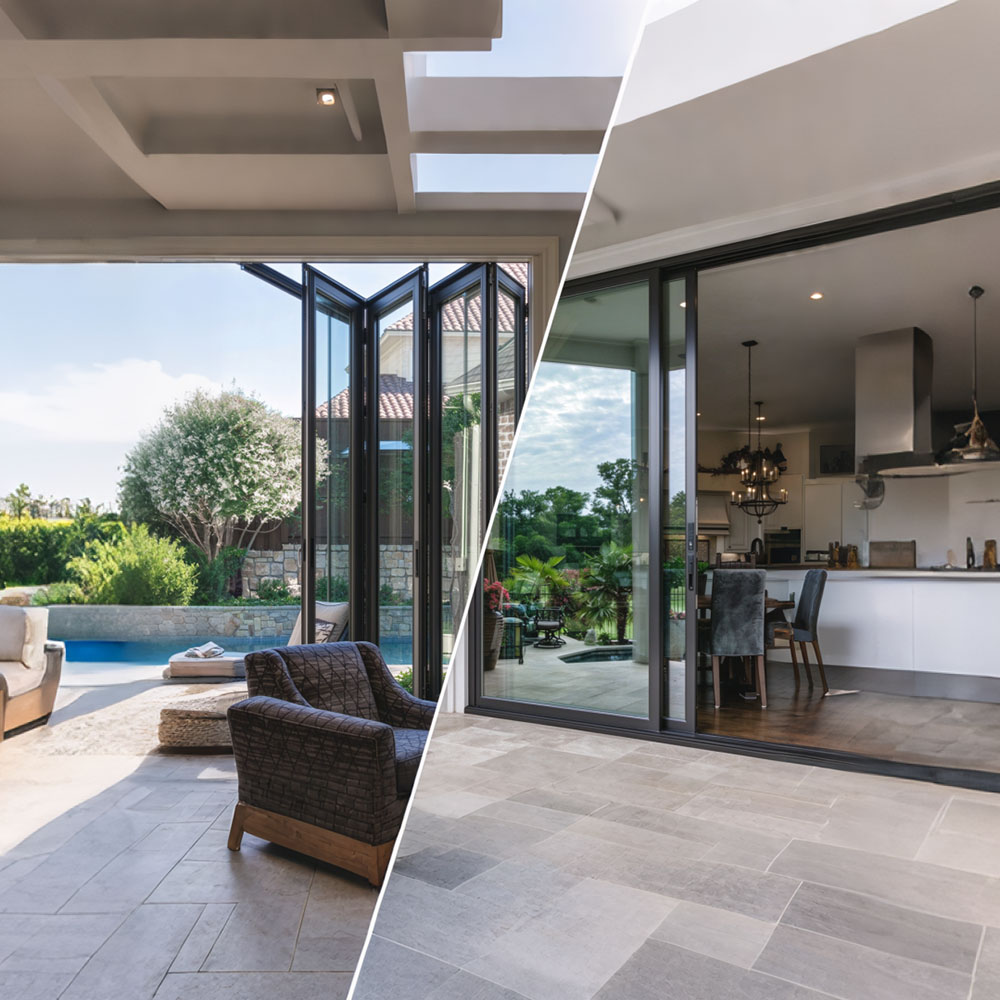
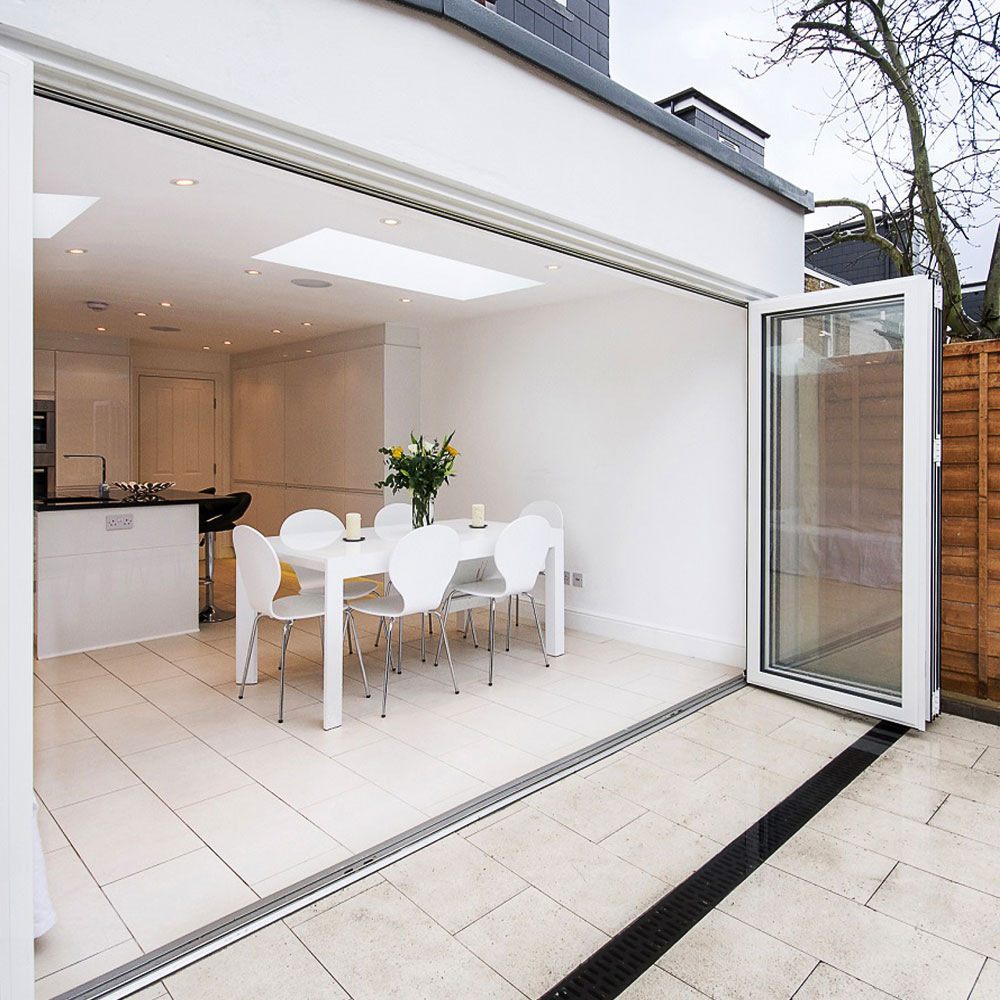
    When designing high-end residential homes or commercial spaces, connecting indoor living areas with outdoor patios or gardens is a top design priority. Both bifold and sliding systems are premier solutions for creating expansive glass openings. However, deciding which door mechanism suits your architectural vision, space constraints, and budget requires evaluating several key factors. As a leading aluminum doors and windows supplier China, we often guide architects, builders, and homeowners through this choice. In this guide, we compare bifold doors and sliding systems across opening clear space, sightlines, thermal efficiency, and overall application.     1. Opening Space & Indoor-Outdoor Flow The main operational difference between bifold and sliding doors lies in how the panels open and store. Aluminum Bifold Doors (up to 90% Clear Opening): Aluminum bifold doors fold neatly against one or both sides of the frame on concertina tracks. This allows you to open up almost the entire wall—creating a seamless indoor-outdoor transition ideal for summer entertaining or patio extensions. Aluminum Sliding Doors (50%–75% Clear Opening): Aluminum sliding doors operate by gliding horizontally along tracks, with panels stacking behind fixed panels. While they do not provide a 100% open aperture, modern multi-track systems can still deliver up to a 75% clear opening width. 2. Visual Sightlines & Natural Light If maximizing unobstructed outdoor views when the doors are closed is your primary goal, panel width and frame thickness become critical factors. Sliding Doors for Panoramic Views: Sliding systems allow for massive individual glass panes—often up to 3 meters wide or more per panel. Fewer vertical frame sightlines mean an unobstructed, panoramic view of the outdoors, whether the doors are open or closed. Bifold Doors for Flexible Configurations: Because bifold doors consist of multiple narrower panels hinged together, they introduce more vertical frame sightlines when closed. However, integrated access doors (traffic doors) can be incorporated so you can step in and out without folding open the whole wall.     3. Advanced Engineering: Lift & Slide Systems For large-scale architectural openings requiring heavy, oversized glass panels, standard sliding hardware may feel heavy to operate. This is where aluminum lift and slide doors excel. By turning the handle 180 degrees, the entire door panel lifts off its weather seals onto heavy-duty rollers, allowing multi-hundred-pound glass doors to glide effortlessly with a single hand. When locked, the system lowers back down to seal tightly against air penetration and water infiltration. 4. Energy Efficiency & Weathering Performance Thermal performance should never be compromised, regardless of the opening mechanism you select. Thermal Break Technology: Ensure your project specifies thermal break aluminum doors featuring polyamide insulating struts within the frame profile. This layer stops heat transmission, keeping indoor spaces cool in summer and warm in winter. Glazing Configurations: Pair your door frames with double glazing aluminum windows or triple-pane glass units with Low-E coatings to meet local energy efficiency standards and lower overall HVAC operational costs.     5. Summary Comparison Matrix Feature Aluminum Bifold Doors Aluminum Sliding / Lift & Slide Doors Max Clear Opening ~90% (Panels stack at side) 50%–75% (Panels stack behind fixed pane) Glass Panel Size Medium (Typically up to 1.2m wide) Extra Large (Up to 3m+ wide) Sightlines when Closed More vertical frames Minimal, clean panoramic view Best Used For Entertainment patios, dining extensions Living rooms, master suites, ocean views Ease of Daily Access Traffic door option available Slide open any distance Partnering with the Right Manufacturer Whether your design calls for folding walls or floor-to-ceiling glass sliders, partnering with an experienced custom aluminum door manufacturer guarantees that profile extrusions, glass coatings, and hardware components are engineered to match your project's exact wind load and energy requirements. Frequently Asked Questions (FAQ) Q1: Are aluminum bifold doors harder to operate than sliding doors? A: Quality bifold doors engineered with top and bottom stainless steel roller tracks operate smoothly. However, because bifold doors feature multiple hinged panels, they require slightly more effort to fold and latch than single-track sliding doors or counter-weighted lift-and-slide doors. Q2: Which system offers better weather sealing against heavy wind and rain? A: Both systems offer high weather performance when configured with thermal breaks and high-quality EPDM gaskets. However, lift and slide doors press down tightly onto their base track when locked, often achieving slightly higher air-tightness and water-resistance performance ratings in high-wind regions. Q3: Can I combine bifold doors and thermal break aluminum windows in the same project? A: Yes, absolutely. Most architects specify matching profile series, powder coat finishes, and glass specifications from the same manufacturer for both doors and windows to ensure consistent exterior aesthetics and identical thermal performance across the entire building envelope. Q4: How do I choose between standard sliding doors and aluminum lift and slide doors? A: If your design features standard panel sizes (e.g., under 1.8 meters wide per panel), standard sliding doors are cost-effective and reliable. If your project specifies oversized glass panels (e.g., 2.5–3.5 meters wide or floor-to-ceiling glass), lift and slide doors are recommended for their effortless gliding hardware and superior compression weather seals.      
    Read More
  • How to Choose the Right Aluminum Doors and Windows for a Residential Project?
    How to Choose the Right Aluminum Doors and Windows for a Residential Project?
    Oct 24, 2026
    When planning a residential build or home renovation, selecting the right fenestration system is one of the most important decisions you will make. Windows and doors do far more than just fill wall openings—they define your home's natural lighting, energy efficiency, security, and overall architectural style. With so many materials and configurations available, how do you choose the right system? As a leading aluminum doors and windows manufacturer, we’ve put together a straightforward guide to help homeowners, builders, and developers navigate the selection process. 1. Define Your Architectural Style and Spatial Needs     Before looking at specific hardware, consider how you live in your space and what look you want to achieve: For Wide Openings & Indoor-Outdoor Flow: If you want to merge your living room with a patio, garden, or pool terrace, opting for aluminum sliding doors or aluminum bifold doors creates an expansive, seamless transition. For Max-Light Panoramic Views: If your priority is a minimalist "glass wall" aesthetic with ultra-narrow sightlines, modern custom aluminum windows and slim sliding systems deliver uninterrupted outdoor scenery. For Traditional Ventilation: If you prefer classic vertical ventilation and traditional aesthetics, vertical slider systems like single or double-hung windows are ideal for suburban homes and villa projects. 2. Prioritize Energy Efficiency: Thermal Break vs. Non-Thermal Break     Energy performance is a critical factor, especially for residential homes facing extreme winter cold or summer heat. When reviewing quotations from any aluminum doors supplier, always check the framing technology: Thermal Break Profiles: Always choose thermal break aluminum windows and thermal break aluminum doors for habitable living spaces. These systems feature a non-conductive polyamide insulation strip inside the metal frame, which stops heat transfer, lowers HVAC costs, and prevents indoor condensation. Non-Thermal Break Profiles: These are generally more cost-effective but are better suited for interior partitions, mild climates, or unheated auxiliary spaces. 3. Select the Right Glass Glazing Options Glass makes up 80% to 90% of a door or window, meaning your glazing choice dictates your home’s acoustic and thermal comfort: Double Glazing: Standard for most modern residential projects, double glazing aluminum windows use two panes of glass separated by an argon-filled air gap to provide excellent soundproofing and insulation. Triple Glazing: For extreme climate zones, triple glazing adds an extra layer of glass for maximum thermal performance. Specialty Coatings: Specify Low-E (low-emissivity) coatings to reflect solar heat during hot summers, or laminated security glass for enhanced child safety and break-in protection. 4. Evaluate Hardware, Security, and Weatherproofing A door or window is only as good as its moving parts. When sourcing residential aluminum doors and windows, ensure the system includes: Multi-Point Locking Systems: High-security shoot-bolt locks secure the panel at several points along the frame, preventing forced entry. Heavy-Duty Rollers and Hinges: Large glass panels require precision stainless steel rollers to ensure smooth, single-finger operation without sagging over time. Weather Seals: High-grade EPDM rubber gaskets and concealed drainage tracks protect your interior against heavy wind-driven rain and air drafts. 5. Why Direct Factory Sourcing Matters for Custom Projects     Because custom residential blueprints require exact rough opening measurements, off-the-shelf retail store products rarely fit professional building standards. Partnering directly with a reliable aluminum doors and windows factory provides massive advantages for custom builds: Bespoke Customization: Tailor your frame colors (e.g., matte black, charcoal gray, or wood-grain finishes), custom dimensions, and hardware choices to match your exact architectural drawings. Wholesale Project Pricing: Procuring custom aluminum windows and doors cost directly from the source eliminates middleman distributor markups, maximizing your budget efficiency. Frequently Asked Questions (FAQs) Q1: Why should I choose aluminum over wood or vinyl for my residential project? A: Aluminum offers unmatched structural strength, allowing for slim frames and massive glass sizes that wood or vinyl cannot support. It will not warp, rot, swell, or crack under extreme sunlight and moisture exposure, requiring virtually zero long-term maintenance. Q2: What is a thermal break, and why is it important? A: A thermal break is an insulating barrier placed inside aluminum frames to stop heat transfer between the inside and outside of your home. It keeps your house warm in winter, cool in summer, and significantly reduces energy bills. Q3: How do I calculate the budget for custom aluminum doors and windows? A: Costs vary depending on frame thickness, thermal break technology, glass types (double vs. triple glazing), hardware grades, and total square footage. Working directly with a manufacturer helps you tailor specifications to fit your exact project budget. Q4: Can I order matching doors and windows to maintain a uniform architectural look? A: Yes. Sourcing from a comprehensive aluminum windows manufacturer ensures that your sliding doors, bifold systems, storefront entrances, and fixed windows all share matching frame colors, surface treatments, and design aesthetics. Q5: How long does custom manufacturing and shipping take for a residential project? A: Generally, custom fabrication takes around 3 to 4 weeks depending on the order volume and complexity, followed by international sea or air freight shipping. It is always recommended to place orders early in the project timeline to align with construction phases.      
    Read More

leave a message

leave a message
If you are interested in our products and want to know more details,please leave a message here,we will reply you as soon as we can.
submit

Our hours

Contact Us: zeck@miaofengwindows.com

home

products

WhatsApp

Contact Us