
 Call:+(86)-18022775361
 Email:zeck@miaofengwindows.com
Call:+(86)-18022775361Email:zeck@miaofengwindows.com


When selecting high-performance fenestration for a modern home or commercial project, glass occupies up to 85% to 90% of the total window surface area. That means choosing between double glazing aluminum windows and triple glazing aluminum windows has a massive impact on your building’s energy efficiency, indoor comfort, noise reduction, and overall project budget.
While aluminum frames offer superior structural strength and slim profiles, pairing them with the right Insulated Glass Unit (IGU) is essential. Let’s break down the differences between double and triple glazing to help you decide which option best fits your project.
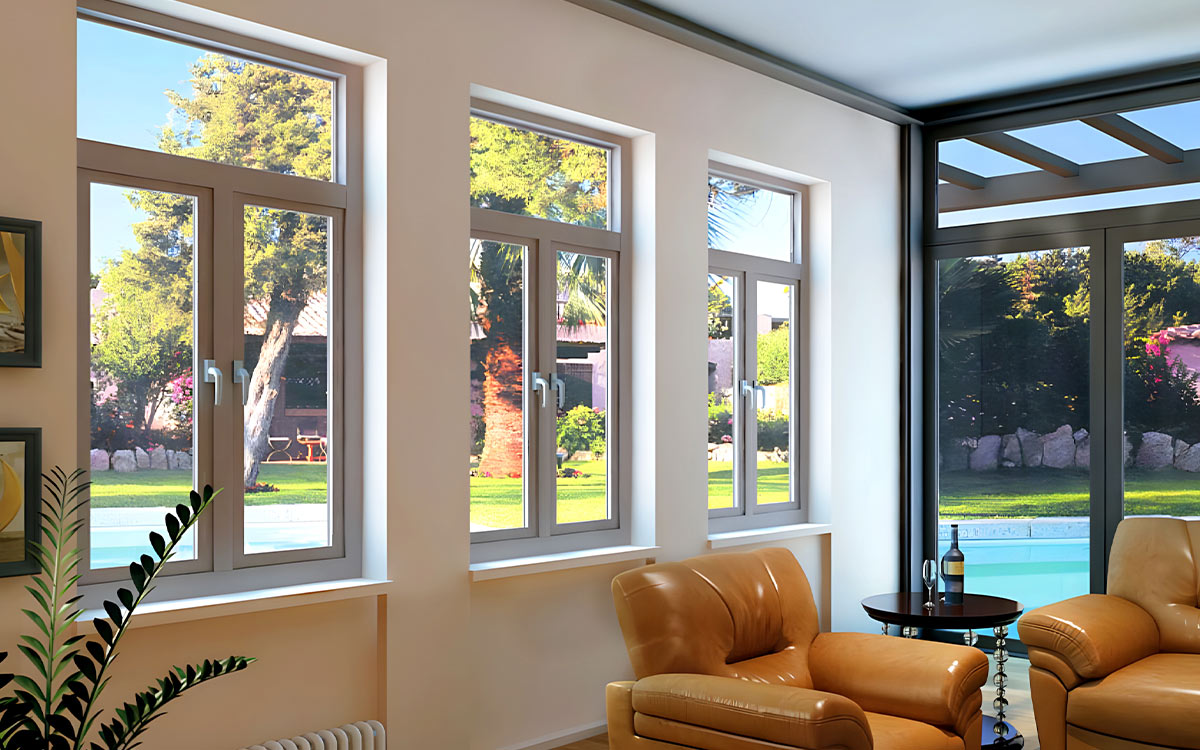
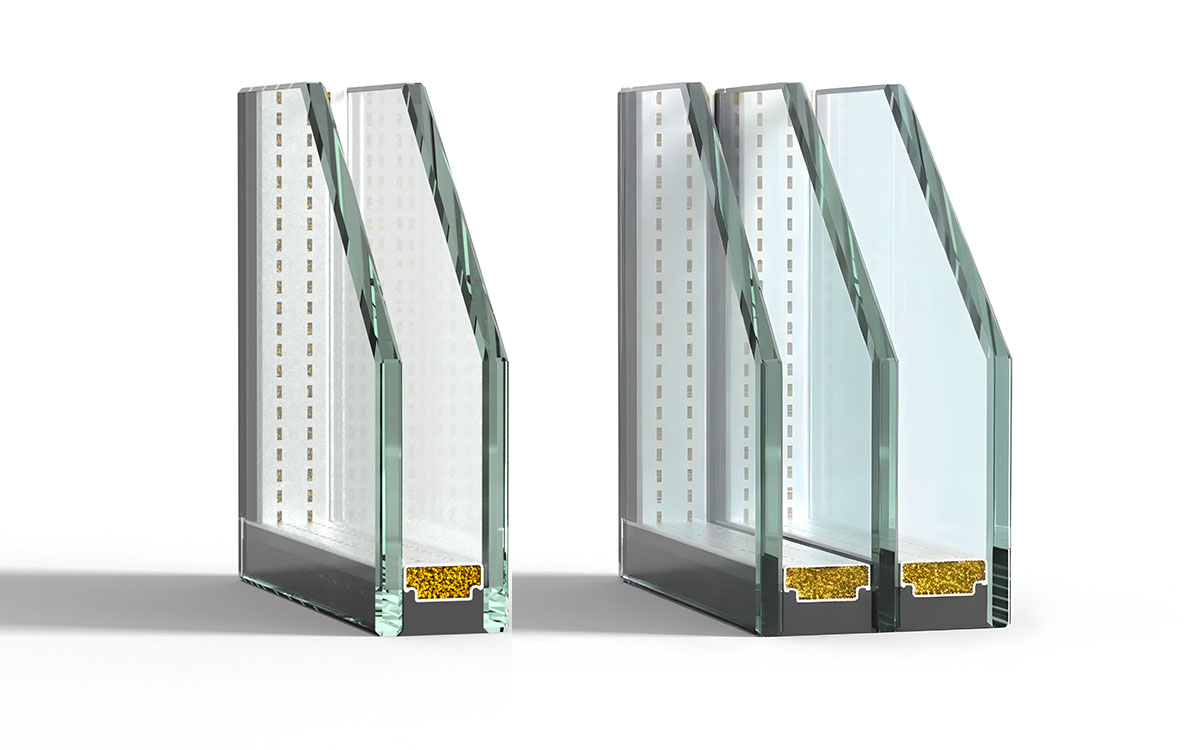
Double glazing consists of two panes of glass separated by an airtight spacer bar (often filled with insulating argon gas).
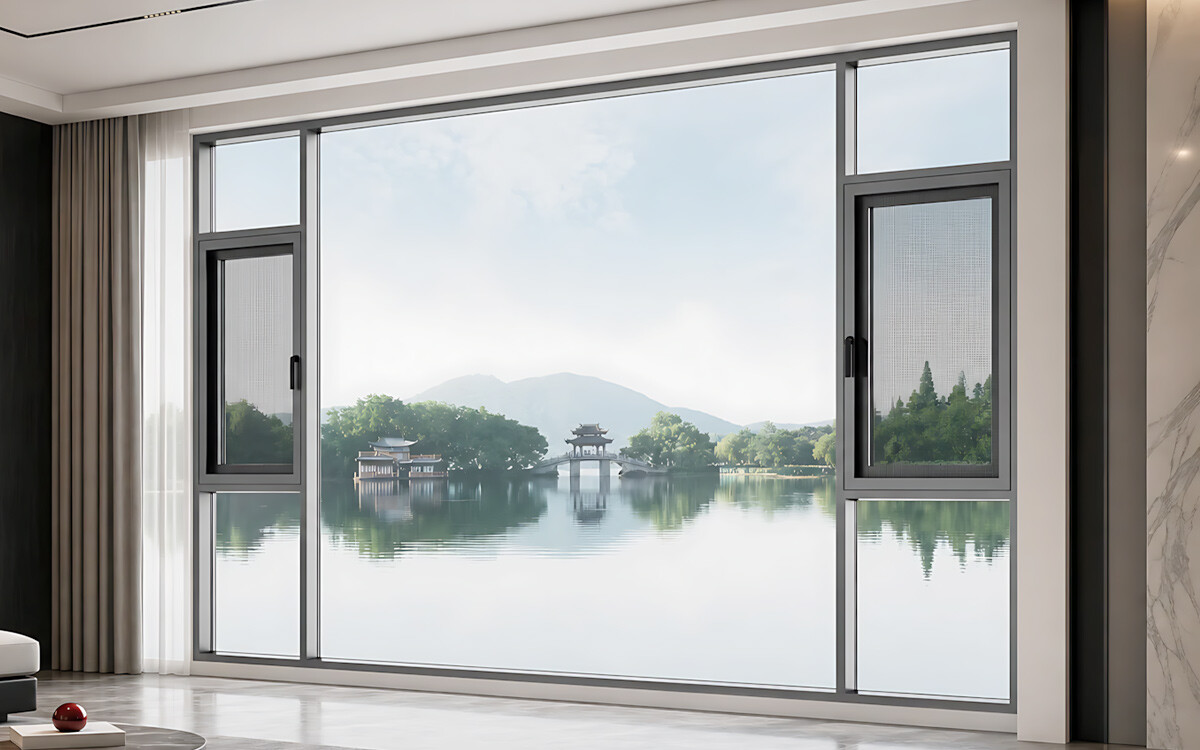
Triple glazing takes insulation a step further by adding a third pane of glass, creating two separate gas-filled insulating cavities within the window sash.
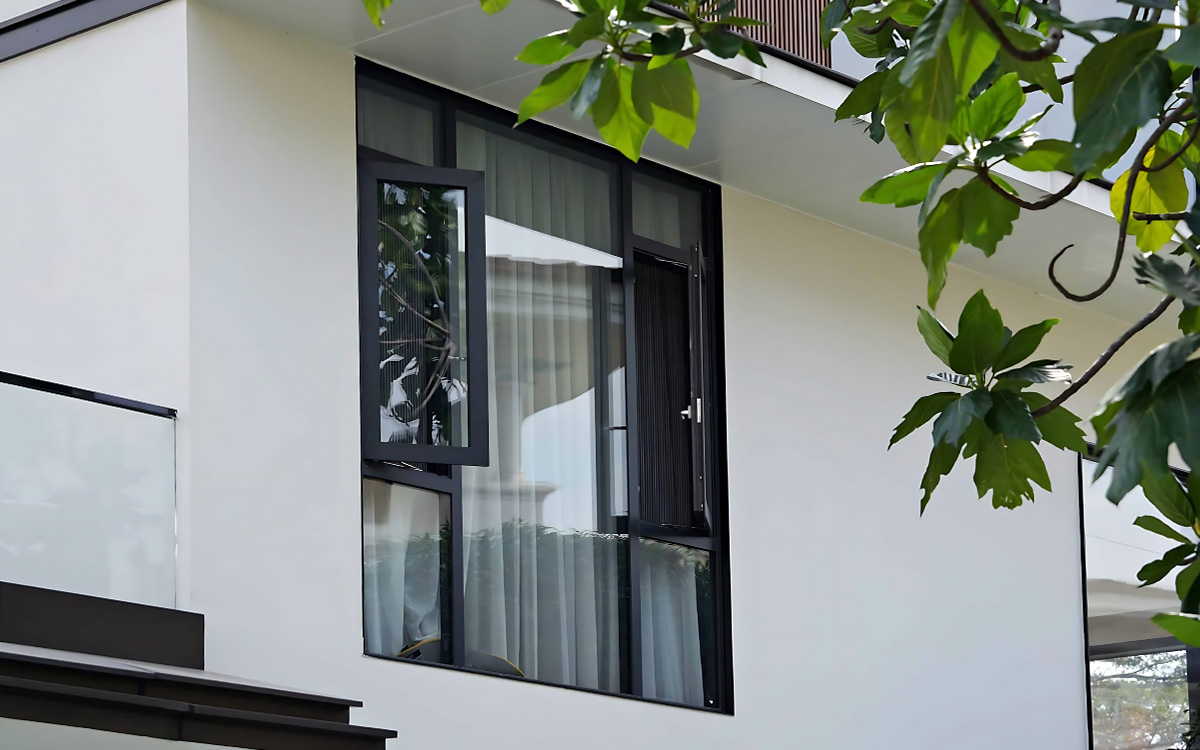
When planning your budget for residential aluminum doors and windows, comparing key performance metrics helps clarify the return on investment:
| Comparison Factor | Double Glazing Aluminum Windows | Triple Glazing Aluminum Windows |
|---|---|---|
| Energy Efficiency (U-Value) | Very Good (meets most standard energy codes) | Maximum (ideal for passive houses & extreme cold) |
| Soundproofing | Good (blocks standard suburban noise) | Superior (blocks heavy traffic & urban noise) |
| Window Weight | Lighter (easier on hinges and hardware) | Heavier (requires heavy-duty aluminum frames) |
| Upfront Cost | More budget-friendly | ~15% to 25% higher upfront investment |
Whether your blueprints require double-pane or triple-pane configurations, glass performance is only effective when paired with precision-engineered aluminum profiles.
Partnering directly with an experienced aluminum windows manufacturer or a specialized aluminum doors and windows factory ensures your windows are built to exact tolerances:
A: In regions with harsh winters, extreme temperatures, or heavy external noise, triple glazing is well worth the investment due to significant long-term heating/cooling savings and superior quietness. In mild climates, high-performance double glazing with a Low-E coating usually offers the best value.
A: Slightly. Adding a third pane of glass reduces visible light transmittance by roughly 5% to 8% compared to double glazing, though modern ultra-clear low-iron glass minimizes this difference.
A: Not always. Triple-glazed units are thicker and substantially heavier. You should specify heavy-duty thermal break aluminum windows with deeper glazing pockets and reinforced casement hinges to support the added weight safely.
A: Argon is a dense, non-toxic inert gas sealed between the glass panes. Because it is denser than normal air, it slows down thermal conduction and convection inside the window unit, boosting insulation without increasing glass thickness.
A: Yes! Many builders install triple glazing on north-facing walls or bedrooms facing noisy streets, while using double glazing aluminum windows on sheltered south-facing walls to maximize solar warmth and optimize the overall project budget.
 IPv6 network supported
Our hours