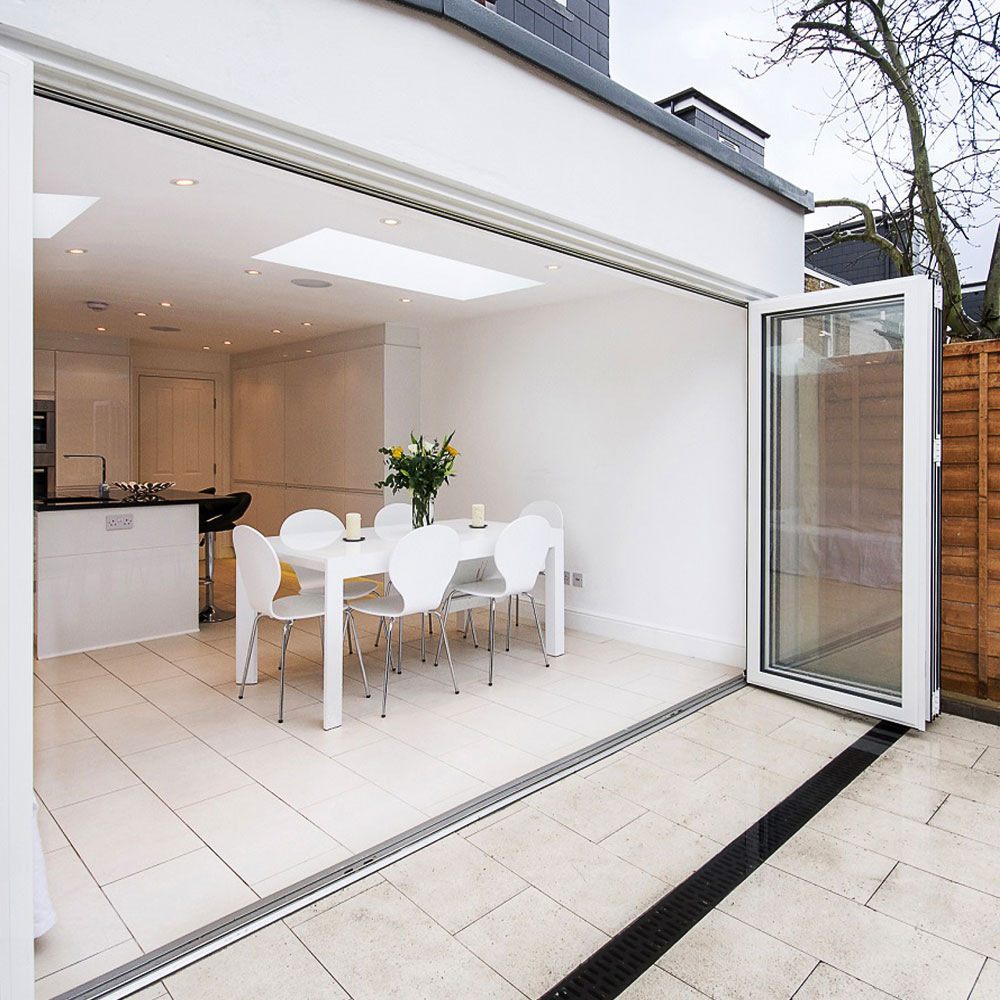
Ultra-slim sliding door details
Home

aluminum doors and windows manufacturer

aluminum doors and windows manufacturer

  • What Should Buyers Look for in an Aluminum Doors and Windows Manufacturer?
    What Should Buyers Look for in an Aluminum Doors and Windows Manufacturer?
    Nov 19, 2026
    Sourcing fenestration products for a construction project or regional distribution business is a major investment. Whether you are a contractor, property developer, or importer, the quality of your doors and windows directly affects installation timelines, building energy compliance, and long-term maintenance costs. Because standard retail sizes rarely meet project specifications, partnering with the right aluminum doors and windows manufacturer is critical. Instead of choosing a supplier based solely on the lowest quote, experienced buyers evaluate engineering depth, production consistency, and export reliability. Here are the key factors to check before placing a bulk or project order. 1. In-House Engineering and Shop Drawing Support A reliable manufacturer does more than cut and assemble aluminum profiles—they verify structural feasibility before production starts. Detailed CAD Shop Drawings: Before fabricating custom aluminum windows or large door systems, the factory should provide clear shop drawings showing exact dimensions, frame cross-sections, glass thicknesses, and hardware placement for your sign-off. Wind Load & Structural Calculations: For coastal villas, high-rise apartments, or wide-span openings, confirm that the engineering team can match profile wall thickness and reinforcement to local wind-load and building codes.   2. Verifiable Material Quality and Testing Standards Two quotes can look similar on paper while hiding major differences in raw materials and long-term durability. Always inspect the core components: Aluminum Alloy & Surface Finish: Look for primary architectural-grade aluminum (such as 6063-T5/T6) paired with durable powder coating, anodizing, or PVDF finishes that resist fading and salt-spray corrosion. Thermal Break & Glazing Performance: Verify the width and material of the polyamide thermal barrier, EPDM weather seals, and insulated glass units. Request third-party test reports for air infiltration, water penetration, and U-value thermal ratings. Hardware Brand & Cycle Testing: Hinges, rollers, and multi-point locks bear the brunt of daily use. Ask which hardware brands are used and verify their load-bearing ratings.   3. Manufacturing Scale and Customization Capabilities (OEM & ODM) Different buyers have different sourcing models. A capable aluminum doors and windows factory should have the equipment and flexibility to support your specific business needs: Product Range Depth: If your project requires matching finishes across sliding systems, casement windows, and heavy-duty aluminum glass storefront doors, working with a single-source factory ensures consistent color and sightlines across the entire building. OEM & ODM Flexibility: For regional distributors and window brands, check whether the supplier offers OEM aluminum doors and windows built to your proprietary blueprints, or ODM aluminum windows and doors that help you launch market-ready product lines faster.   4. Transparent Pricing and Total Landed Cost Breakdown A trustworthy partner provides clear, itemized quotations rather than vague lump-sum numbers. When comparing custom aluminum windows and doors cost across suppliers, make sure every quote specifies: Exact profile series and wall thickness Glass configuration (pane thickness, Low-E coating, argon gas fill, spacer type) Hardware brand and lock specifications Surface finish warranty period Packaging, port loading, and freight terms Evaluating total landed cost—including export crating and defect rates—protects your budget far better than chasing an artificially low unit price. 5. Export-Grade Packaging and After-Sales Accountability International shipping puts heavy stress on large glass units and precision metal frames. Even the best-built window can arrive unusable if packed poorly. Protective Packaging: Confirm that profiles are wrapped with protective film, corners are reinforced, and finished units are secured inside sturdy, fumigated plywood crates designed for container loading. Installation Guidance & Warranty: Look for an aluminum doors and windows supplier China that provides clear labeling per opening, installation manuals, spare hardware kits, and responsive post-delivery support. Frequently Asked Questions (FAQs) Q1: How can I verify the quality of an aluminum doors and windows manufacturer before placing a large order? A: Request profile corner samples, check third-party performance test reports (such as NFRC, CE, or AS2047 certifications depending on your market), review past project references, and schedule a live video factory tour to inspect their CNC machining and assembly lines. Q2: What is the difference between OEM and ODM when sourcing aluminum doors and windows? A: OEM means the factory manufactures doors and windows strictly according to your own engineering drawings and brand specifications. ODM means you leverage the factory's existing tested frame systems and engineering team to customize finishes, sizes, and branding for your local market. Q3: Why do quotes from different manufacturers vary so much for the same window size? A: Price differences usually come down to aluminum wall thickness, thermal break strip quality, glass specifications (e.g., standard double glazing vs. tempered Low-E argon-filled units), hardware brands, and surface coating grades. Q4: Can one factory supply both residential windows and commercial storefront doors? A: Yes. Mid-to-large architectural factories typically operate dedicated production lines capable of fabricating both residential window systems and heavy-duty commercial storefront or curtain wall doors with matching finishes. Q5: What is the typical production lead time for custom aluminum doors and windows? A: Standard custom production usually takes 25 to 35 days after shop drawings are approved and the deposit is received, depending on order volume, special glass orders, and custom powder-coating colors.    
    Read More
  • What Factors Affect the Cost of Custom Aluminum Doors and Windows?
    What Factors Affect the Cost of Custom Aluminum Doors and Windows?
    Oct 31, 2026
    When planning a modern residential or commercial building project, choosing high-performance fenestration products is one of the most crucial decisions. Custom architectural solutions offer unmatched structural strength, modern aesthetics, and long-term durability. However, pricing can vary significantly depending on your project requirements. If you are currently evaluating budget options, working with a reliable aluminum doors and windows manufacturer can help you strike the perfect balance between quality and budget. In this guide, we will break down the primary factors that influence the overall cost of custom aluminum door and window systems. 1. Frame Profile & Thermal Insulation Technology The structure and engineering of the aluminum profiles directly impact both manufacturing costs and energy performance. Standard vs. Thermal Break Aluminum: Standard non-thermal profiles are cost-effective but less energy-efficient. On the other hand, thermal break aluminum doors and thermal break aluminum windows incorporate reinforced polyamide (nylon) insulation strips within the profile. This structural barrier drastically cuts thermal conduction, helping lower indoor heating and cooling energy bills. While thermal break profile systems carry a higher upfront investment, they provide superior long-term ROI. Wall Thickness & Profile Depth: Heavier wall thicknesses engineered to withstand high wind loads or meet strict architectural standards (such as NAFS or ASTM requirements) require more raw material, naturally increasing costs. 2. Door & Window Operating Systems (Type & Mechanisms) The operating mechanism dictates the complexity of hardware, frame extrusions, and labor required for assembly. Sliding & Bifold Systems: High-end opening styles such as aluminum bifold doors and aluminum lift and slide doors require specialized multi-point locking hardware, precision tracks, and heavy-duty roller carriages to support large glass panels smoothly. These systems generally cost more than traditional casement or awning windows. Commercial Storefront Systems: Heavy-duty applications, such as aluminum glass storefront doors, require heavy-gauge frames, rugged continuous hinges, and specialized panic hardware designed for frequent high-traffic commercial use.       3. Glass Configuration & Performance Coatings Glass typically accounts for 50% to 70% of the total surface area of an opening system, making glass selection a major cost factor. Glazing Options: Standard double-glazed (IGU) units are standard for residential projects. Upgrading to triple-glazed units enhances soundproofing and thermal performance, but increases glass weight and system cost. Specialty Coatings & Treatments: Incorporating Low-E (Low-Emissivity) coatings, argon gas fills, warm-edge spacers, or laminated safety glass will raise the per-square-meter price, but substantially improves U-Factor and Solar Heat Gain Coefficient (SHGC) performance. 4. Customization, Surface Finishes & Dimensions One of the biggest advantages of working with an experienced custom aluminum door manufacturer is the endless degree of design customization. Surface Finishes: Standard powder-coated finishes (e.g., Matt Black, Architectural White, Anthracite Grey) are standard and economical. Premium finishes like high-durability PVDF coatings, anodizing, or realistic wood-grain transfers involve extra processing steps and cost more. Oversized & Curved Designs: Custom shapes, arch tops, or oversized floor-to-ceiling glass units require specialized handling, custom glass tempering, and reinforced profiles, raising both manufacturing and shipping costs.     5. Manufacturing Source & Sourcing Strategy Where you source your materials plays a major role in landed project costs. Direct factory sourcing from a specialized aluminum doors and windows supplier China offers significant cost efficiency due to streamlined supply chains, flexible OEM/ODM capabilities, and lower manufacturing overheads. When importing direct from direct manufacturers, factor in international freight, customs duties, and local delivery to calculate your exact total project cost. Conclusion Understanding these cost drivers allows architects, builders, and homeowners to optimize their specifications without sacrificing thermal performance or design intent. Whether you need heavy-duty commercial entryways or sleek panoramic sliding systems, partnering directly with an experienced manufacturer ensures you receive optimal factory pricing and technical support. Frequently Asked Questions (FAQ) Q1: Are thermal break aluminum doors and windows worth the extra cost? A: Yes, absolutely. While thermal break aluminum doors and windows cost around 20%–30% more upfront than non-thermal profiles, they significantly reduce thermal conduction. This substantially lowers monthly HVAC energy bills, prevents indoor frame condensation, and improves overall home comfort—making them well worth the investment. Q2: Why are aluminum bifold doors more expensive than standard sliding doors? A: Aluminum bifold doors require specialized heavy-duty track systems, multiple continuous hinges, top and bottom roller guides, and precision multi-point locking mechanisms across every panel. The higher hardware complexity and detailed assembly labor contribute to their higher cost compared to standard sliding doors. Q3: How can I lower the overall cost of my custom aluminum doors and windows order? A: You can optimize costs by selecting standard profile sizes, choosing high-demand standard powder coat colors (like Matt Black or White), using standard double glazing where triple glazing isn't climatically necessary, and sourcing directly from a qualified factory manufacturer to eliminate middleman markups. Q4: Does glass type significantly affect the cost of custom aluminum windows? A: Yes. Upgrading from standard clear tempered glass to high-performance configurations—such as Low-E coatings, argon gas filling, laminated safety glass, or triple glazing—will increase glass unit costs. However, these upgrades improve thermal insulation and acoustic performance, helping projects meet energy codes and acoustic standards.    
    Read More

  • Thermal Break vs. Non-Thermal Break Aluminum Windows: What Is the Difference?
    Thermal Break vs. Non-Thermal Break Aluminum Windows: What Is the Difference?
    Oct 24, 2026
    When choosing window and door systems for residential or commercial construction, one of the most important technical decisions you will make is selecting between thermal break aluminum windows and non-thermal break profiles. Aluminum is widely recognized as a premier building material due to its exceptional strength, modern aesthetics, and long-lasting durability. However, solid aluminum is naturally a good conductor of heat and cold. Understanding how thermal engineering solves this thermal conductivity issue—and how it impacts indoor comfort, energy bills, and property value—will help you make the right choice for your project. 1. What Is a Non-Thermal Break Aluminum Window?     A non-thermal break window is made from a single, continuous piece of extruded aluminum. While it offers superior structural stability and slim sightlines, it lacks an internal insulation barrier. How It Functions: Because metal conducts heat rapidly, outdoor heat during summer or freezing cold during winter passes straight through the aluminum frame into the room. Best Use Cases: Non-thermal profiles are budget-friendly and work exceptionally well for interior office dividers, sunrooms in mild climates, or unheated storage spaces where thermal insulation is not a primary requirement. 2. What Is a Thermal Break Aluminum Window?     To eliminate the thermal conductivity of standard aluminum frames, engineers developed thermal break aluminum doors and windows. How It Functions: A high-density, low-conductivity insulating strip—typically made of reinforced polyamide—is placed between the interior and exterior aluminum profiles. This creates a physical "break" that stops heat transfer (thermal bridging). Performance Impact: By blocking heat conduction, thermal break systems keep indoor spaces warm during winter and cool during summer. When paired with double or triple-pane insulated glass, they significantly reduce heating and cooling expenses while preventing indoor window condensation. 3. Key Comparisons: Energy, Comfort, and Value Comparing non-thermal and thermal break options side by side highlights why thermal technology has become the global standard for modern homes: Feature / Benefit Non-Thermal Break Windows Thermal Break Aluminum Windows Thermal Insulation Low (allows heat/cold transfer) High (blocks thermal bridging) Indoor Condensation High risk in cold climates Virtually eliminated Noise Reduction Standard sound insulation Enhanced acoustic dampening Energy Bill Impact Higher HVAC running costs Lower long-term energy consumption 4. Matching Windows and Doors for Whole-House Consistency When designing a modern home or residential development, builders frequently mix different fenestration styles to match spatial needs: For Wide Patio Openings: Combine thermal break window frames with smooth-operating aluminum bifold doors or large sliding glass walls to connect indoor living rooms directly with backyard terraces. For Uniform Aesthetics: Sourcing all your windows and door systems from a single residential aluminum doors and windows product line ensures matching frame colors, powder-coated finishes, and consistent sightlines throughout the building. 5. Sourcing Direct from a Certified Factory     Because custom building designs require millimeter-accurate measurements, ordering directly from an experienced aluminum doors and windows manufacturer or a specialized aluminum doors and windows factory gives you complete control over your project specifications. Partnering with an established aluminum doors and windows supplier China provides several key advantages: Custom Engineering: Request custom thermal break depth, specialized Low-E glass coatings, and custom powder-coat frame finishes. Factory-Direct Value: Eliminate distributor markups, making high-end insulated window and door systems far more cost-effective for contractor bids and development projects. Frequently Asked Questions (FAQs) Q1: Why do non-thermal aluminum windows sweat on the inside during winter? A: When warm, humid indoor air touches a cold non-thermal aluminum frame, moisture in the air condenses on the metal surface. Thermal break windows prevent this by keeping the interior frame temperature close to room temperature. Q2: Are thermal break aluminum windows worth the extra cost? A: Yes. Although thermal break windows have a higher upfront cost due to the added polyamide insulation bars and precision manufacturing, the long-term energy savings on utility bills make them a far better investment over time. Q3: Can I combine thermal break windows with aluminum bifold doors in the same project? A: Absolutely. Most modern residential builds use matching thermal break window profiles alongside insulated aluminum bifold doors to maintain consistent thermal efficiency and design aesthetics across the entire house. Q4: Does a thermal break compromise the structural strength of the aluminum frame? A: Not at all. High-tensile structural polyamide strips are engineered to hold the aluminum extrusions firmly together, maintaining the high wind-load resistance and structural integrity that aluminum is known for. Q5: How do I choose the right supplier for a custom residential project? A: Look for a certified aluminum doors and windows supplier China that offers certified thermal test reports, CAD shop drawing support, and robust export packaging to ensure products arrive safely at your job site.      
    Read More
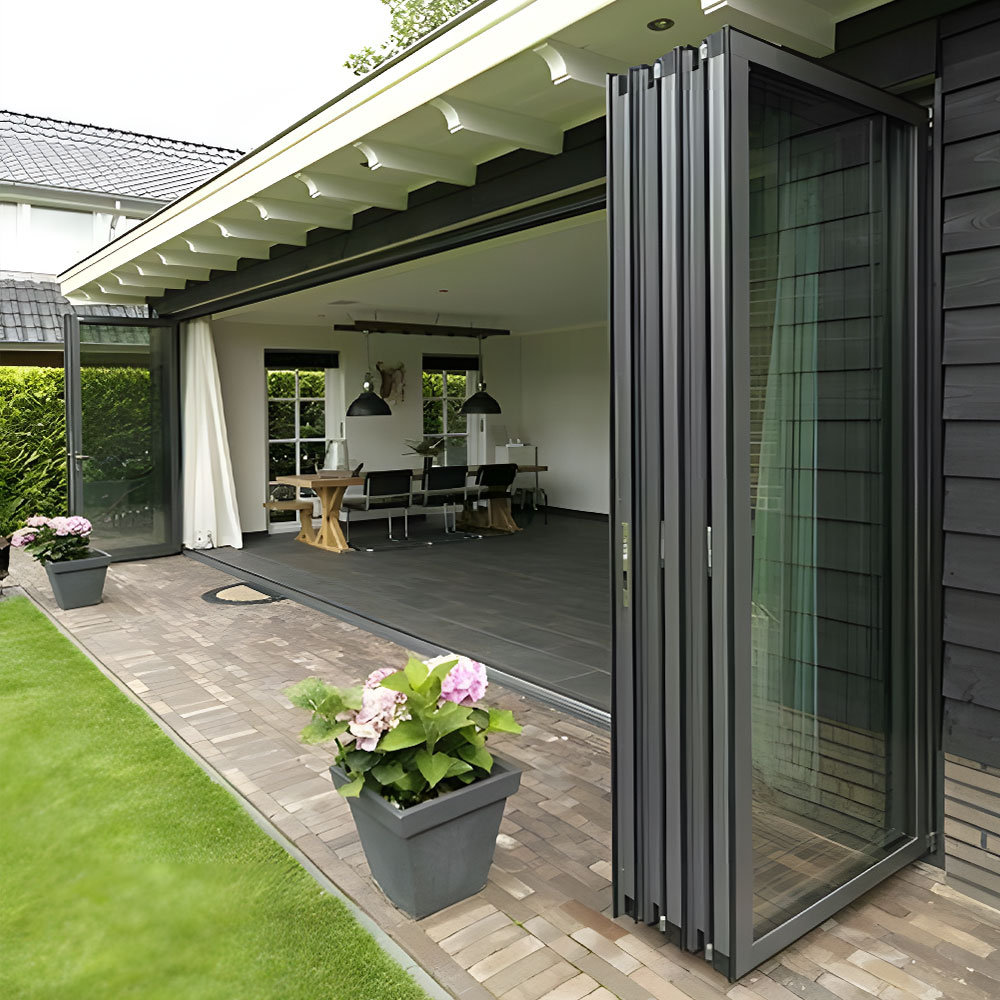
  • How to Choose the Right Aluminum Doors and Windows for a Residential Project?
    How to Choose the Right Aluminum Doors and Windows for a Residential Project?
    Oct 24, 2026
    When planning a residential build or home renovation, selecting the right fenestration system is one of the most important decisions you will make. Windows and doors do far more than just fill wall openings—they define your home's natural lighting, energy efficiency, security, and overall architectural style. With so many materials and configurations available, how do you choose the right system? As a leading aluminum doors and windows manufacturer, we’ve put together a straightforward guide to help homeowners, builders, and developers navigate the selection process. 1. Define Your Architectural Style and Spatial Needs     Before looking at specific hardware, consider how you live in your space and what look you want to achieve: For Wide Openings & Indoor-Outdoor Flow: If you want to merge your living room with a patio, garden, or pool terrace, opting for aluminum sliding doors or aluminum bifold doors creates an expansive, seamless transition. For Max-Light Panoramic Views: If your priority is a minimalist "glass wall" aesthetic with ultra-narrow sightlines, modern custom aluminum windows and slim sliding systems deliver uninterrupted outdoor scenery. For Traditional Ventilation: If you prefer classic vertical ventilation and traditional aesthetics, vertical slider systems like single or double-hung windows are ideal for suburban homes and villa projects. 2. Prioritize Energy Efficiency: Thermal Break vs. Non-Thermal Break     Energy performance is a critical factor, especially for residential homes facing extreme winter cold or summer heat. When reviewing quotations from any aluminum doors supplier, always check the framing technology: Thermal Break Profiles: Always choose thermal break aluminum windows and thermal break aluminum doors for habitable living spaces. These systems feature a non-conductive polyamide insulation strip inside the metal frame, which stops heat transfer, lowers HVAC costs, and prevents indoor condensation. Non-Thermal Break Profiles: These are generally more cost-effective but are better suited for interior partitions, mild climates, or unheated auxiliary spaces. 3. Select the Right Glass Glazing Options Glass makes up 80% to 90% of a door or window, meaning your glazing choice dictates your home’s acoustic and thermal comfort: Double Glazing: Standard for most modern residential projects, double glazing aluminum windows use two panes of glass separated by an argon-filled air gap to provide excellent soundproofing and insulation. Triple Glazing: For extreme climate zones, triple glazing adds an extra layer of glass for maximum thermal performance. Specialty Coatings: Specify Low-E (low-emissivity) coatings to reflect solar heat during hot summers, or laminated security glass for enhanced child safety and break-in protection. 4. Evaluate Hardware, Security, and Weatherproofing A door or window is only as good as its moving parts. When sourcing residential aluminum doors and windows, ensure the system includes: Multi-Point Locking Systems: High-security shoot-bolt locks secure the panel at several points along the frame, preventing forced entry. Heavy-Duty Rollers and Hinges: Large glass panels require precision stainless steel rollers to ensure smooth, single-finger operation without sagging over time. Weather Seals: High-grade EPDM rubber gaskets and concealed drainage tracks protect your interior against heavy wind-driven rain and air drafts. 5. Why Direct Factory Sourcing Matters for Custom Projects     Because custom residential blueprints require exact rough opening measurements, off-the-shelf retail store products rarely fit professional building standards. Partnering directly with a reliable aluminum doors and windows factory provides massive advantages for custom builds: Bespoke Customization: Tailor your frame colors (e.g., matte black, charcoal gray, or wood-grain finishes), custom dimensions, and hardware choices to match your exact architectural drawings. Wholesale Project Pricing: Procuring custom aluminum windows and doors cost directly from the source eliminates middleman distributor markups, maximizing your budget efficiency. Frequently Asked Questions (FAQs) Q1: Why should I choose aluminum over wood or vinyl for my residential project? A: Aluminum offers unmatched structural strength, allowing for slim frames and massive glass sizes that wood or vinyl cannot support. It will not warp, rot, swell, or crack under extreme sunlight and moisture exposure, requiring virtually zero long-term maintenance. Q2: What is a thermal break, and why is it important? A: A thermal break is an insulating barrier placed inside aluminum frames to stop heat transfer between the inside and outside of your home. It keeps your house warm in winter, cool in summer, and significantly reduces energy bills. Q3: How do I calculate the budget for custom aluminum doors and windows? A: Costs vary depending on frame thickness, thermal break technology, glass types (double vs. triple glazing), hardware grades, and total square footage. Working directly with a manufacturer helps you tailor specifications to fit your exact project budget. Q4: Can I order matching doors and windows to maintain a uniform architectural look? A: Yes. Sourcing from a comprehensive aluminum windows manufacturer ensures that your sliding doors, bifold systems, storefront entrances, and fixed windows all share matching frame colors, surface treatments, and design aesthetics. Q5: How long does custom manufacturing and shipping take for a residential project? A: Generally, custom fabrication takes around 3 to 4 weeks depending on the order volume and complexity, followed by international sea or air freight shipping. It is always recommended to place orders early in the project timeline to align with construction phases.      
    Read More

leave a message

leave a message
If you are interested in our products and want to know more details,please leave a message here,we will reply you as soon as we can.
submit

Our hours

Contact Us: zeck@miaofengwindows.com

home

products

WhatsApp

Contact Us