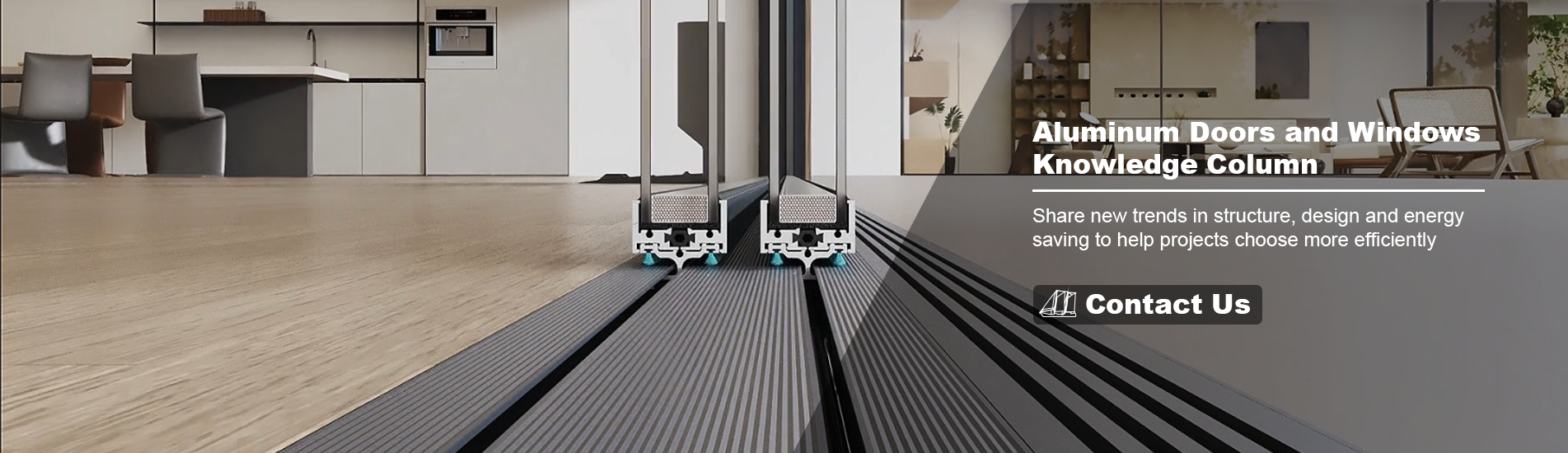
Ultra-slim sliding door details
Home Blog

What Factors Affect the Cost of Custom Aluminum Doors and Windows?

What Factors Affect the Cost of Custom Aluminum Doors and Windows?

October 31, 2026

When planning a modern residential or commercial building project, choosing high-performance fenestration products is one of the most crucial decisions. Custom architectural solutions offer unmatched structural strength, modern aesthetics, and long-term durability. However, pricing can vary significantly depending on your project requirements.

If you are currently evaluating budget options, working with a reliable aluminum doors and windows manufacturer can help you strike the perfect balance between quality and budget. In this guide, we will break down the primary factors that influence the overall cost of custom aluminum door and window systems.
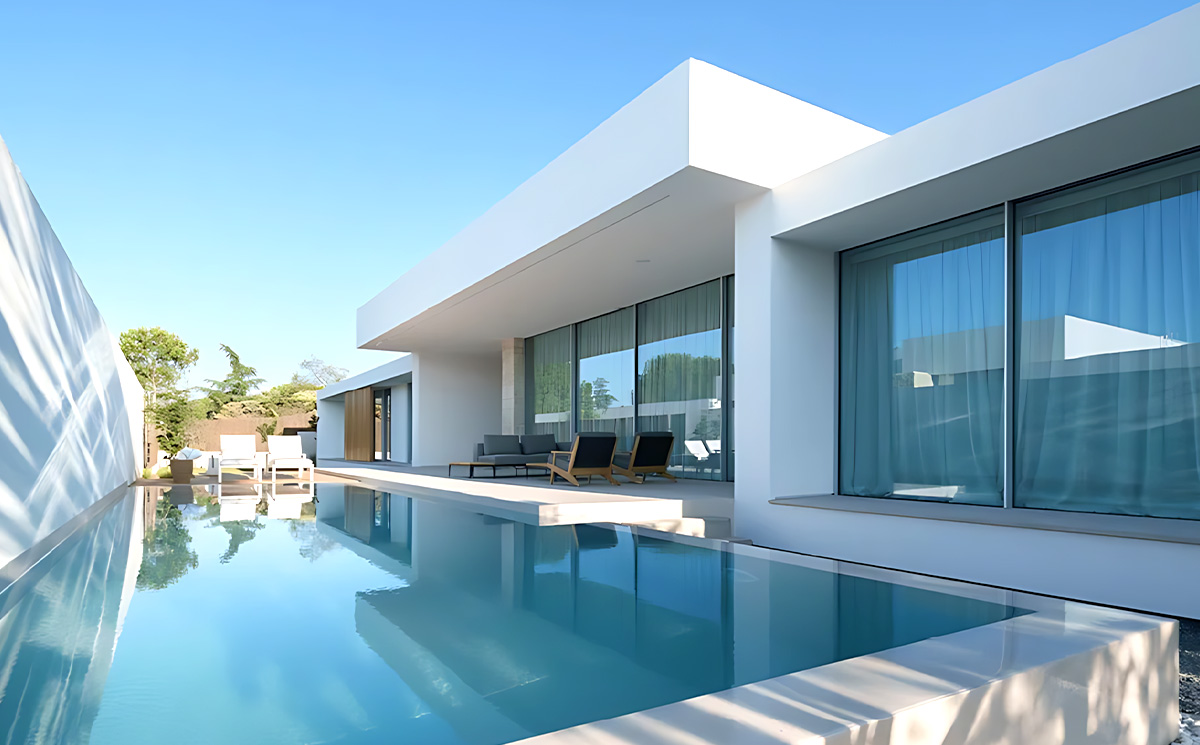
Modern luxury house featuring custom aluminum doors and windows with large glass panels

1. Frame Profile & Thermal Insulation Technology

The structure and engineering of the aluminum profiles directly impact both manufacturing costs and energy performance.

  • Standard vs. Thermal Break Aluminum: Standard non-thermal profiles are cost-effective but less energy-efficient. On the other hand, thermal break aluminum doors and thermal break aluminum windows incorporate reinforced polyamide (nylon) insulation strips within the profile. This structural barrier drastically cuts thermal conduction, helping lower indoor heating and cooling energy bills. While thermal break profile systems carry a higher upfront investment, they provide superior long-term ROI.
  • Wall Thickness & Profile Depth: Heavier wall thicknesses engineered to withstand high wind loads or meet strict architectural standards (such as NAFS or ASTM requirements) require more raw material, naturally increasing costs.

2. Door & Window Operating Systems (Type & Mechanisms)

The operating mechanism dictates the complexity of hardware, frame extrusions, and labor required for assembly.
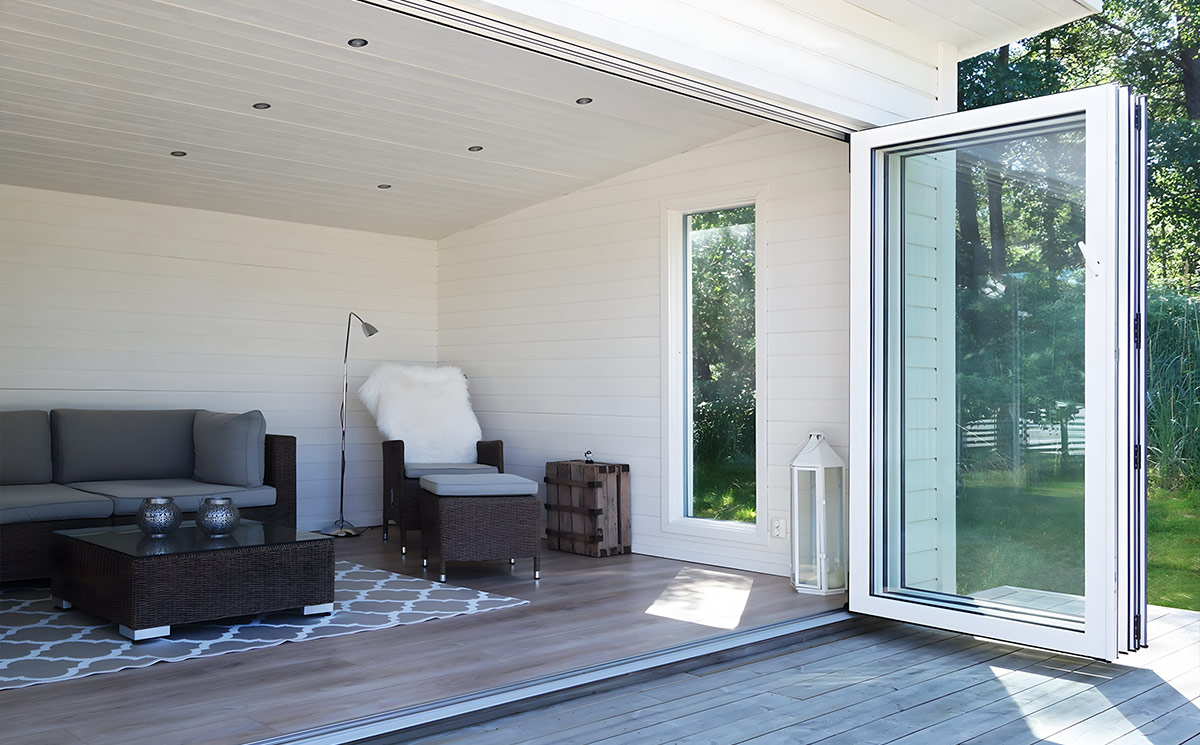
  • Sliding & Bifold Systems: High-end opening styles such as aluminum bifold doors and aluminum lift and slide doors require specialized multi-point locking hardware, precision tracks, and heavy-duty roller carriages to support large glass panels smoothly. These systems generally cost more than traditional casement or awning windows.
  • Commercial Storefront Systems: Heavy-duty applications, such as aluminum glass storefront doors, require heavy-gauge frames, rugged continuous hinges, and specialized panic hardware designed for frequent high-traffic commercial use.


Multi-panel aluminum bifold doors opening up to an outdoor patio


3. Glass Configuration & Performance Coatings

Glass typically accounts for 50% to 70% of the total surface area of an opening system, making glass selection a major cost factor.

  • Glazing Options: Standard double-glazed (IGU) units are standard for residential projects. Upgrading to triple-glazed units enhances soundproofing and thermal performance, but increases glass weight and system cost.
  • Specialty Coatings & Treatments: Incorporating Low-E (Low-Emissivity) coatings, argon gas fills, warm-edge spacers, or laminated safety glass will raise the per-square-meter price, but substantially improves U-Factor and Solar Heat Gain Coefficient (SHGC) performance.

4. Customization, Surface Finishes & Dimensions

One of the biggest advantages of working with an experienced custom aluminum door manufacturer is the endless degree of design customization.
  • Surface Finishes: Standard powder-coated finishes (e.g., Matt Black, Architectural White, Anthracite Grey) are standard and economical. Premium finishes like high-durability PVDF coatings, anodizing, or realistic wood-grain transfers involve extra processing steps and cost more.
  • Oversized & Curved Designs: Custom shapes, arch tops, or oversized floor-to-ceiling glass units require specialized handling, custom glass tempering, and reinforced profiles, raising both manufacturing and shipping costs.


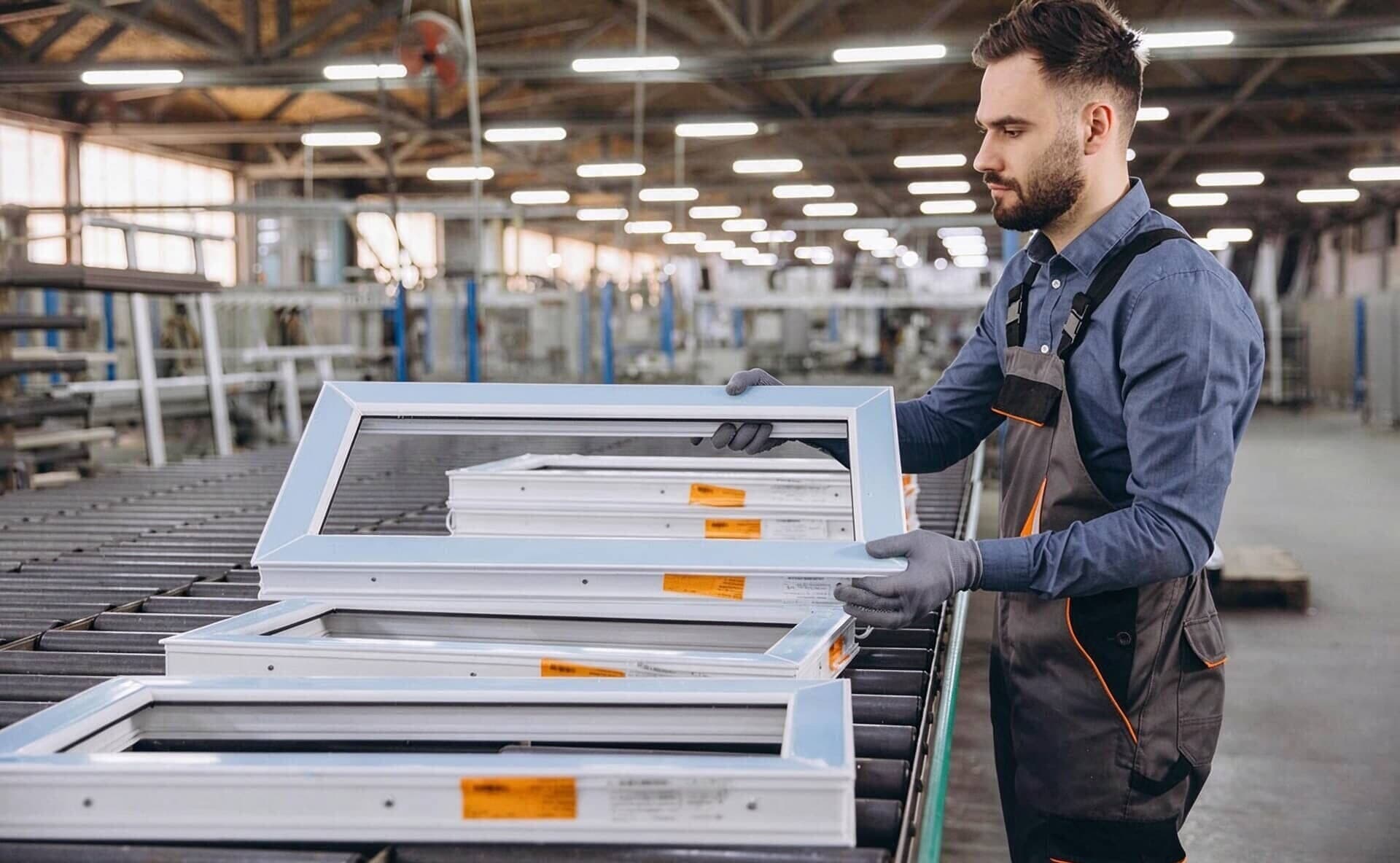
Worker inspecting frame assembly inside a professional custom aluminum doors and windows factory


5. Manufacturing Source & Sourcing Strategy

Where you source your materials plays a major role in landed project costs.

Direct factory sourcing from a specialized aluminum doors and windows supplier China offers significant cost efficiency due to streamlined supply chains, flexible OEM/ODM capabilities, and lower manufacturing overheads. When importing direct from direct manufacturers, factor in international freight, customs duties, and local delivery to calculate your exact total project cost.

Conclusion

Understanding these cost drivers allows architects, builders, and homeowners to optimize their specifications without sacrificing thermal performance or design intent. Whether you need heavy-duty commercial entryways or sleek panoramic sliding systems, partnering directly with an experienced manufacturer ensures you receive optimal factory pricing and technical support.

Frequently Asked Questions (FAQ)

Q1: Are thermal break aluminum doors and windows worth the extra cost?

A: Yes, absolutely. While thermal break aluminum doors and windows cost around 20%–30% more upfront than non-thermal profiles, they significantly reduce thermal conduction. This substantially lowers monthly HVAC energy bills, prevents indoor frame condensation, and improves overall home comfort—making them well worth the investment.

Q2: Why are aluminum bifold doors more expensive than standard sliding doors?

A: Aluminum bifold doors require specialized heavy-duty track systems, multiple continuous hinges, top and bottom roller guides, and precision multi-point locking mechanisms across every panel. The higher hardware complexity and detailed assembly labor contribute to their higher cost compared to standard sliding doors.

Q3: How can I lower the overall cost of my custom aluminum doors and windows order?

A: You can optimize costs by selecting standard profile sizes, choosing high-demand standard powder coat colors (like Matt Black or White), using standard double glazing where triple glazing isn't climatically necessary, and sourcing directly from a qualified factory manufacturer to eliminate middleman markups.

Q4: Does glass type significantly affect the cost of custom aluminum windows?

A: Yes. Upgrading from standard clear tempered glass to high-performance configurations—such as Low-E coatings, argon gas filling, laminated safety glass, or triple glazing—will increase glass unit costs. However, these upgrades improve thermal insulation and acoustic performance, helping projects meet energy codes and acoustic standards.


leave a message

leave a message
If you are interested in our products and want to know more details,please leave a message here,we will reply you as soon as we can.
submit

Our hours

Contact Us: zeck@miaofengwindows.com

home

products

WhatsApp

Contact Us