Ultra-slim sliding door details
Home

aluminum bifold doors

aluminum bifold doors

  • Aluminum Bifold Doors vs. Sliding Doors: Which Is Better for Your Project?
    Aluminum Bifold Doors vs. Sliding Doors: Which Is Better for Your Project?
    Oct 31, 2026
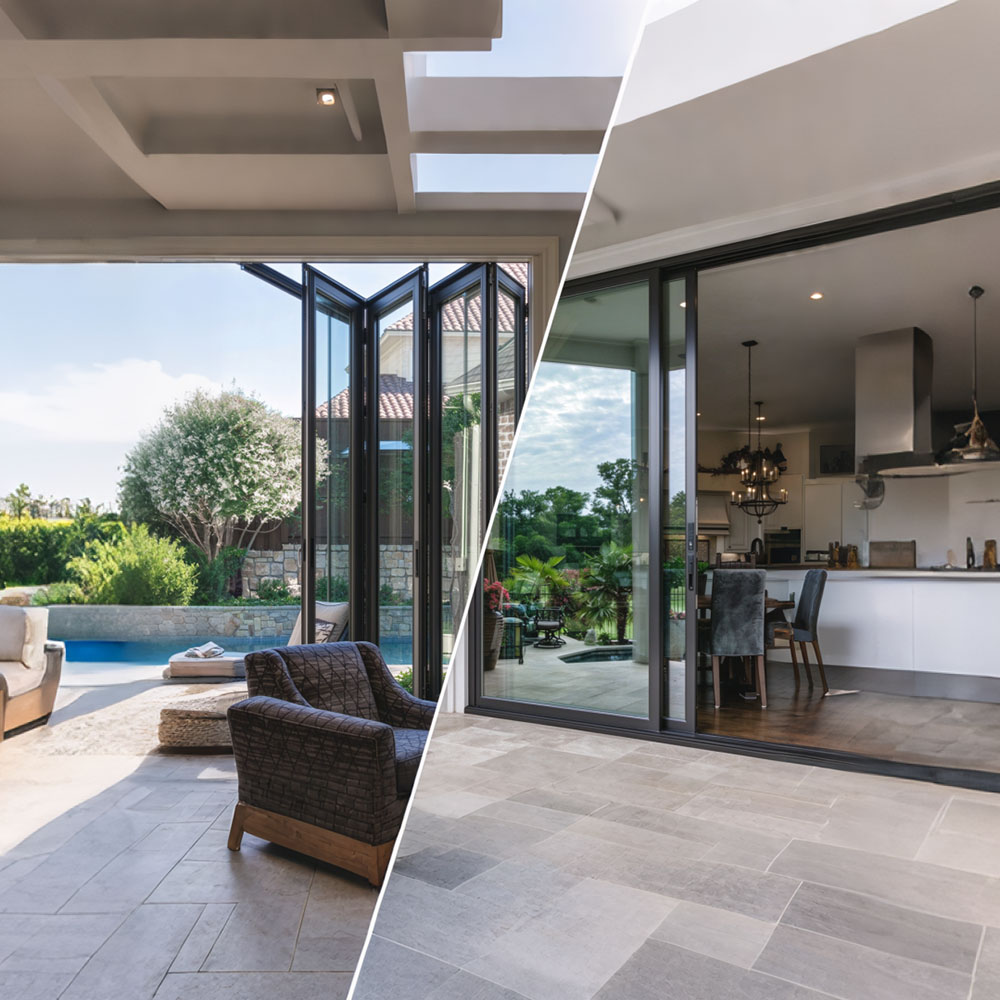
    When designing high-end residential homes or commercial spaces, connecting indoor living areas with outdoor patios or gardens is a top design priority. Both bifold and sliding systems are premier solutions for creating expansive glass openings. However, deciding which door mechanism suits your architectural vision, space constraints, and budget requires evaluating several key factors. As a leading aluminum doors and windows supplier China, we often guide architects, builders, and homeowners through this choice. In this guide, we compare bifold doors and sliding systems across opening clear space, sightlines, thermal efficiency, and overall application.     1. Opening Space & Indoor-Outdoor Flow The main operational difference between bifold and sliding doors lies in how the panels open and store. Aluminum Bifold Doors (up to 90% Clear Opening): Aluminum bifold doors fold neatly against one or both sides of the frame on concertina tracks. This allows you to open up almost the entire wall—creating a seamless indoor-outdoor transition ideal for summer entertaining or patio extensions. Aluminum Sliding Doors (50%–75% Clear Opening): Aluminum sliding doors operate by gliding horizontally along tracks, with panels stacking behind fixed panels. While they do not provide a 100% open aperture, modern multi-track systems can still deliver up to a 75% clear opening width. 2. Visual Sightlines & Natural Light If maximizing unobstructed outdoor views when the doors are closed is your primary goal, panel width and frame thickness become critical factors. Sliding Doors for Panoramic Views: Sliding systems allow for massive individual glass panes—often up to 3 meters wide or more per panel. Fewer vertical frame sightlines mean an unobstructed, panoramic view of the outdoors, whether the doors are open or closed. Bifold Doors for Flexible Configurations: Because bifold doors consist of multiple narrower panels hinged together, they introduce more vertical frame sightlines when closed. However, integrated access doors (traffic doors) can be incorporated so you can step in and out without folding open the whole wall.     3. Advanced Engineering: Lift & Slide Systems For large-scale architectural openings requiring heavy, oversized glass panels, standard sliding hardware may feel heavy to operate. This is where aluminum lift and slide doors excel. By turning the handle 180 degrees, the entire door panel lifts off its weather seals onto heavy-duty rollers, allowing multi-hundred-pound glass doors to glide effortlessly with a single hand. When locked, the system lowers back down to seal tightly against air penetration and water infiltration. 4. Energy Efficiency & Weathering Performance Thermal performance should never be compromised, regardless of the opening mechanism you select. Thermal Break Technology: Ensure your project specifies thermal break aluminum doors featuring polyamide insulating struts within the frame profile. This layer stops heat transmission, keeping indoor spaces cool in summer and warm in winter. Glazing Configurations: Pair your door frames with double glazing aluminum windows or triple-pane glass units with Low-E coatings to meet local energy efficiency standards and lower overall HVAC operational costs.     5. Summary Comparison Matrix Feature Aluminum Bifold Doors Aluminum Sliding / Lift & Slide Doors Max Clear Opening ~90% (Panels stack at side) 50%–75% (Panels stack behind fixed pane) Glass Panel Size Medium (Typically up to 1.2m wide) Extra Large (Up to 3m+ wide) Sightlines when Closed More vertical frames Minimal, clean panoramic view Best Used For Entertainment patios, dining extensions Living rooms, master suites, ocean views Ease of Daily Access Traffic door option available Slide open any distance Partnering with the Right Manufacturer Whether your design calls for folding walls or floor-to-ceiling glass sliders, partnering with an experienced custom aluminum door manufacturer guarantees that profile extrusions, glass coatings, and hardware components are engineered to match your project's exact wind load and energy requirements. Frequently Asked Questions (FAQ) Q1: Are aluminum bifold doors harder to operate than sliding doors? A: Quality bifold doors engineered with top and bottom stainless steel roller tracks operate smoothly. However, because bifold doors feature multiple hinged panels, they require slightly more effort to fold and latch than single-track sliding doors or counter-weighted lift-and-slide doors. Q2: Which system offers better weather sealing against heavy wind and rain? A: Both systems offer high weather performance when configured with thermal breaks and high-quality EPDM gaskets. However, lift and slide doors press down tightly onto their base track when locked, often achieving slightly higher air-tightness and water-resistance performance ratings in high-wind regions. Q3: Can I combine bifold doors and thermal break aluminum windows in the same project? A: Yes, absolutely. Most architects specify matching profile series, powder coat finishes, and glass specifications from the same manufacturer for both doors and windows to ensure consistent exterior aesthetics and identical thermal performance across the entire building envelope. Q4: How do I choose between standard sliding doors and aluminum lift and slide doors? A: If your design features standard panel sizes (e.g., under 1.8 meters wide per panel), standard sliding doors are cost-effective and reliable. If your project specifies oversized glass panels (e.g., 2.5–3.5 meters wide or floor-to-ceiling glass), lift and slide doors are recommended for their effortless gliding hardware and superior compression weather seals.      
    Read More
  • Thermal Break vs. Non-Thermal Break Aluminum Windows: What Is the Difference?
    Thermal Break vs. Non-Thermal Break Aluminum Windows: What Is the Difference?
    Oct 24, 2026
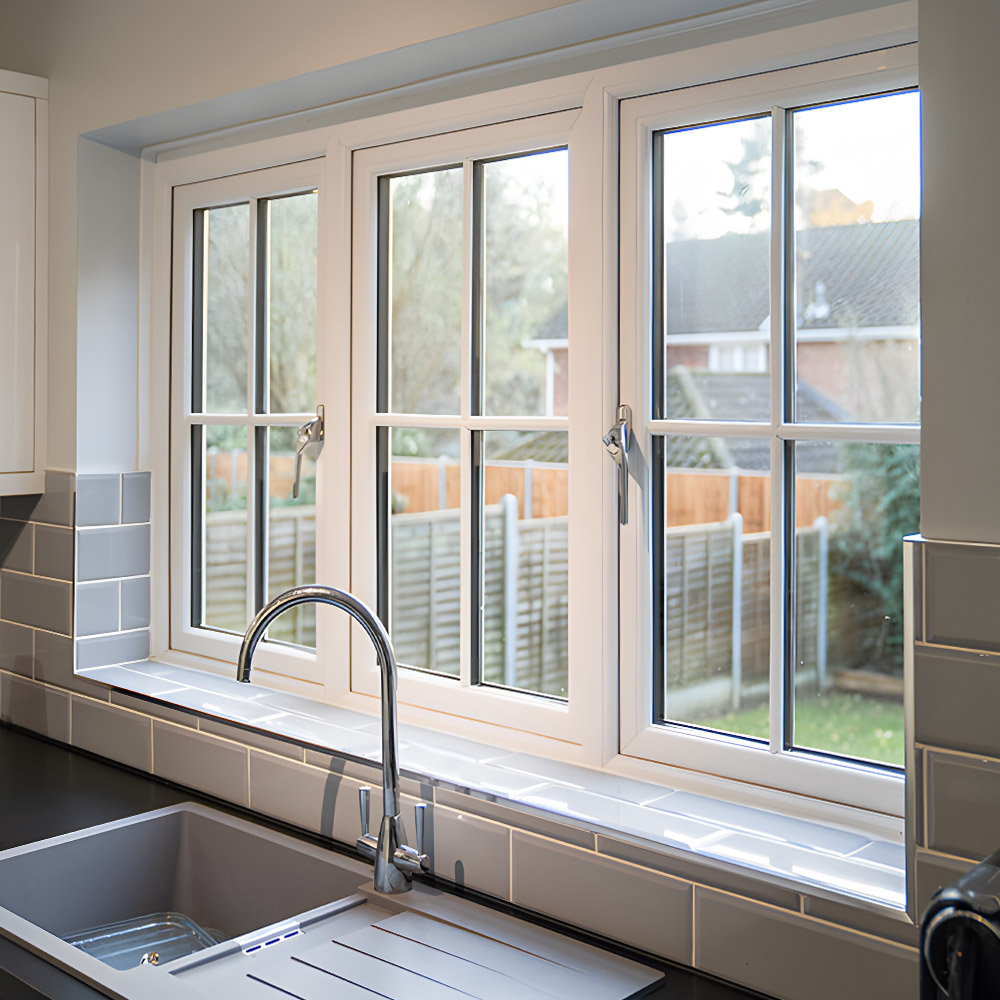
    When choosing window and door systems for residential or commercial construction, one of the most important technical decisions you will make is selecting between thermal break aluminum windows and non-thermal break profiles. Aluminum is widely recognized as a premier building material due to its exceptional strength, modern aesthetics, and long-lasting durability. However, solid aluminum is naturally a good conductor of heat and cold. Understanding how thermal engineering solves this thermal conductivity issue—and how it impacts indoor comfort, energy bills, and property value—will help you make the right choice for your project. 1. What Is a Non-Thermal Break Aluminum Window?     A non-thermal break window is made from a single, continuous piece of extruded aluminum. While it offers superior structural stability and slim sightlines, it lacks an internal insulation barrier. How It Functions: Because metal conducts heat rapidly, outdoor heat during summer or freezing cold during winter passes straight through the aluminum frame into the room. Best Use Cases: Non-thermal profiles are budget-friendly and work exceptionally well for interior office dividers, sunrooms in mild climates, or unheated storage spaces where thermal insulation is not a primary requirement. 2. What Is a Thermal Break Aluminum Window?     To eliminate the thermal conductivity of standard aluminum frames, engineers developed thermal break aluminum doors and windows. How It Functions: A high-density, low-conductivity insulating strip—typically made of reinforced polyamide—is placed between the interior and exterior aluminum profiles. This creates a physical "break" that stops heat transfer (thermal bridging). Performance Impact: By blocking heat conduction, thermal break systems keep indoor spaces warm during winter and cool during summer. When paired with double or triple-pane insulated glass, they significantly reduce heating and cooling expenses while preventing indoor window condensation. 3. Key Comparisons: Energy, Comfort, and Value Comparing non-thermal and thermal break options side by side highlights why thermal technology has become the global standard for modern homes: Feature / Benefit Non-Thermal Break Windows Thermal Break Aluminum Windows Thermal Insulation Low (allows heat/cold transfer) High (blocks thermal bridging) Indoor Condensation High risk in cold climates Virtually eliminated Noise Reduction Standard sound insulation Enhanced acoustic dampening Energy Bill Impact Higher HVAC running costs Lower long-term energy consumption 4. Matching Windows and Doors for Whole-House Consistency When designing a modern home or residential development, builders frequently mix different fenestration styles to match spatial needs: For Wide Patio Openings: Combine thermal break window frames with smooth-operating aluminum bifold doors or large sliding glass walls to connect indoor living rooms directly with backyard terraces. For Uniform Aesthetics: Sourcing all your windows and door systems from a single residential aluminum doors and windows product line ensures matching frame colors, powder-coated finishes, and consistent sightlines throughout the building. 5. Sourcing Direct from a Certified Factory     Because custom building designs require millimeter-accurate measurements, ordering directly from an experienced aluminum doors and windows manufacturer or a specialized aluminum doors and windows factory gives you complete control over your project specifications. Partnering with an established aluminum doors and windows supplier China provides several key advantages: Custom Engineering: Request custom thermal break depth, specialized Low-E glass coatings, and custom powder-coat frame finishes. Factory-Direct Value: Eliminate distributor markups, making high-end insulated window and door systems far more cost-effective for contractor bids and development projects. Frequently Asked Questions (FAQs) Q1: Why do non-thermal aluminum windows sweat on the inside during winter? A: When warm, humid indoor air touches a cold non-thermal aluminum frame, moisture in the air condenses on the metal surface. Thermal break windows prevent this by keeping the interior frame temperature close to room temperature. Q2: Are thermal break aluminum windows worth the extra cost? A: Yes. Although thermal break windows have a higher upfront cost due to the added polyamide insulation bars and precision manufacturing, the long-term energy savings on utility bills make them a far better investment over time. Q3: Can I combine thermal break windows with aluminum bifold doors in the same project? A: Absolutely. Most modern residential builds use matching thermal break window profiles alongside insulated aluminum bifold doors to maintain consistent thermal efficiency and design aesthetics across the entire house. Q4: Does a thermal break compromise the structural strength of the aluminum frame? A: Not at all. High-tensile structural polyamide strips are engineered to hold the aluminum extrusions firmly together, maintaining the high wind-load resistance and structural integrity that aluminum is known for. Q5: How do I choose the right supplier for a custom residential project? A: Look for a certified aluminum doors and windows supplier China that offers certified thermal test reports, CAD shop drawing support, and robust export packaging to ensure products arrive safely at your job site.      
    Read More
  • The Ultimate Guide to Exterior Aluminum Bifold Doors: Transforming Spaces with Seamless Indoor-Outdoor Living
    The Ultimate Guide to Exterior Aluminum Bifold Doors: Transforming Spaces with Seamless Indoor-Outdoor Living
    Sep 19, 2026
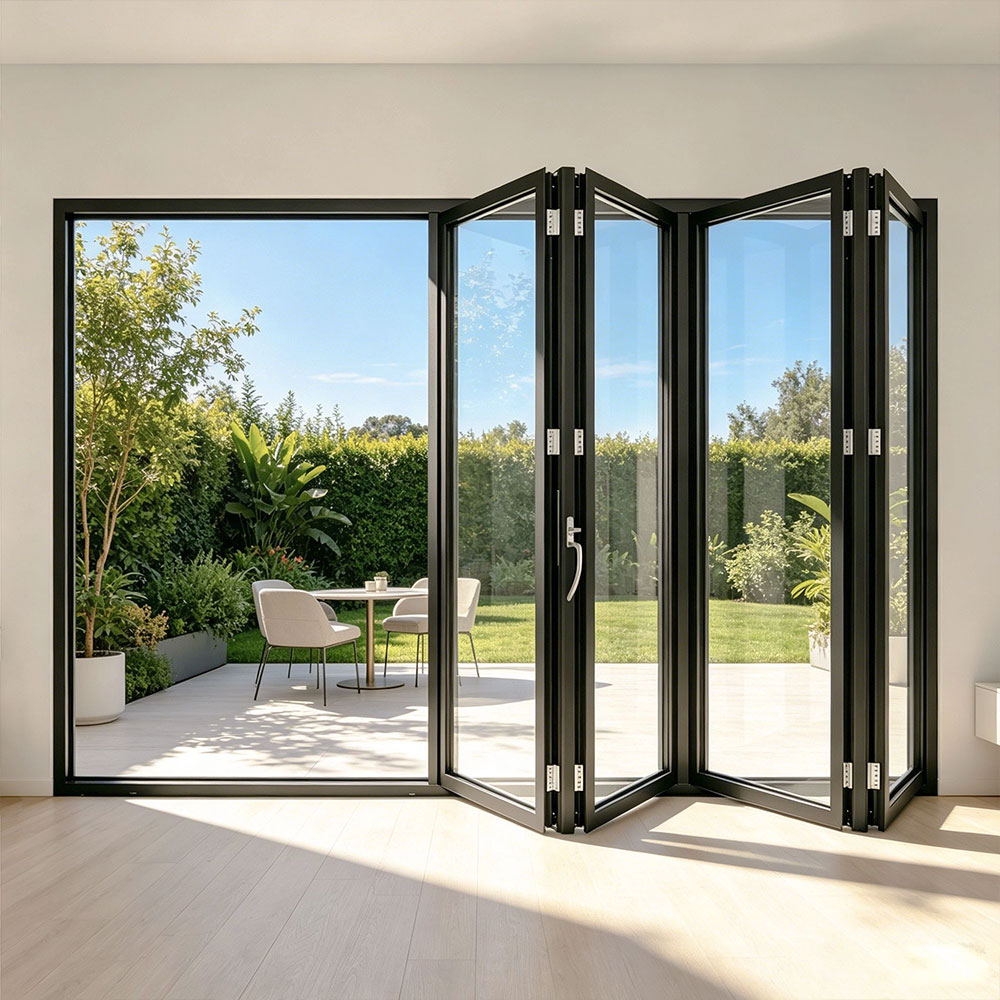
    When designing a modern residence or upgrading a commercial property, connecting indoor spaces with the natural outdoors has become a defining architectural trend. Homeowners and architects alike are moving away from traditional fixed walls and narrow patio doors. Instead, they are turning to high-performance aluminum bifold doors to unlock panoramic views, maximize natural light, and create effortless transitions between living areas and outdoor landscapes.   In this comprehensive guide, we will explore why modern exterior folding patio doors are the premier choice for modern architecture, how thermal technology enhances energy performance, and what to look for when sourcing from a direct bifold door manufacturer.   1. Why Choose Aluminum Bifold Doors for Modern Architecture?     Compared to traditional sliding doors or timber frames, aluminum folding systems offer unmatched strength, durability, and visual flexibility. Premium aluminum profiles allow for wider glass panels and narrower sightlines, giving your space a clean, contemporary aesthetic.   Whether you are looking to open up a luxury living room to a backyard pool deck or seamlessly connect a dining area to a sunlit garden terrace, custom bi fold glass doors offer flexible configuration options. You can choose panel counts from 3 to 8 panels, inward or outward folding, and daily access doors for convenience.   As shown above, when fully folded back, these doors eliminate visual boundaries entirely, turning your indoor space into an expansive outdoor entertainment hub.   2. Energy Efficiency & Thermal Performance Matters     A common concern among homeowners when installing large expanses of glass is thermal performance and weatherproofing. Modern engineering has solved this through advanced thermal break bifold door system technology.   A thermal break integrates a non-conductive polyamide strip between the interior and exterior aluminum profiles. Combined with double or triple-glazed Low-E tempered glass, argon gas filling, and multi-point sealing weatherstripping, these engineered systems achieve superior thermal insulation.   Key benefits of energy efficient folding glass doors include:   Lower Utility Bills: Keeps cold air out in winter and retains air-conditioned cool air during hot summers. Superior Weather Resistance: Designed and tested to withstand high wind loads, driving rain, and air infiltration. Enhanced Acoustic Insulation: Significantly reduces external noise pollution for a quieter interior environment.   3. Slim Profiles and Modern Aesthetics     Design versatility is another reason architects frequently specify slim frame bifold doors. Minimalist aluminum profiles allow maximum glass surface area, permitting natural light to flood interior rooms even when the doors are completely closed.   When searching for the perfect modern exterior doors for patio applications, pay attention to the bottom track design. Flush or low-threshold tracks can be installed level with your interior flooring, providing a seamless transition without threshold tripping hazards—an essential feature for family safety and accessible living.   4. Factory Pre-Assembly and Quality Assurance   When sourcing custom architectural joinery, partner with a verified bifold door manufacturer that prioritizes precision engineering and strict quality control. Every custom order should undergo thorough factory pre-assembly and hardware alignment before final protective packaging. Factory pre-fitting ensures smooth track sliding, perfect hinge alignment, and tight weather-seal contact before the product arrives at your construction job site.   Frequently Asked Questions (FAQ)   Q1: Are aluminum bifold doors energy efficient and suitable for cold climates?   A: Yes. When constructed with a thermal break bifold door system and double/triple Low-E insulated glass, aluminum bifold doors provide excellent insulation. They reduce thermal transfer effectively, keeping indoor spaces warm in winter and cool in summer while meeting strict international energy codes.   Q2: What is the maximum height and width for aluminum bifold door panels?   A: Thanks to the strength-to-weight ratio of structural aluminum, individual door panels can typically reach up to 3.0–3.5 meters (10–11.5 feet) in height and up to 1.2 meters (4 feet) in panel width. Custom sizes can be tailored according to specific architectural engineering requirements.   Q3: How secure are custom bi fold glass doors against break-ins?   A: Modern aluminum bifold doors are highly secure. They are equipped with multi-point locking systems, heavy-duty stainless steel shoot bolts, tamper-proof hinges, and toughened/laminated safety glass, offering robust resistance against forced entry.   Q4: What is the difference between a top-hung and bottom-rolling bifold door system?   A: Top-hung systems carry the door weight along the top header track, offering smooth sliding motion, but require a strong structural lintel overhead. Bottom-rolling systems carry the weight on the floor track, placing less structural burden on the top building frame, making them ideal for varied structural conditions.   Q5: How do I maintain and care for exterior folding patio doors?   A: Aluminum bifold doors require minimal maintenance. Periodically clean the bottom track to remove dirt and debris, wipe the aluminum powder-coated frames with mild soapy water, and lubricate the stainless steel rollers and hinges once or twice a year for long-lasting, smooth operation.
    Read More

leave a message

leave a message
If you are interested in our products and want to know more details,please leave a message here,we will reply you as soon as we can.
submit

Our hours

Contact Us: zeck@miaofengwindows.com

home

products

WhatsApp

Contact Us