
 Call:+(86)-18022775361
 Email:zeck@miaofengwindows.com
Call:+(86)-18022775361Email:zeck@miaofengwindows.com


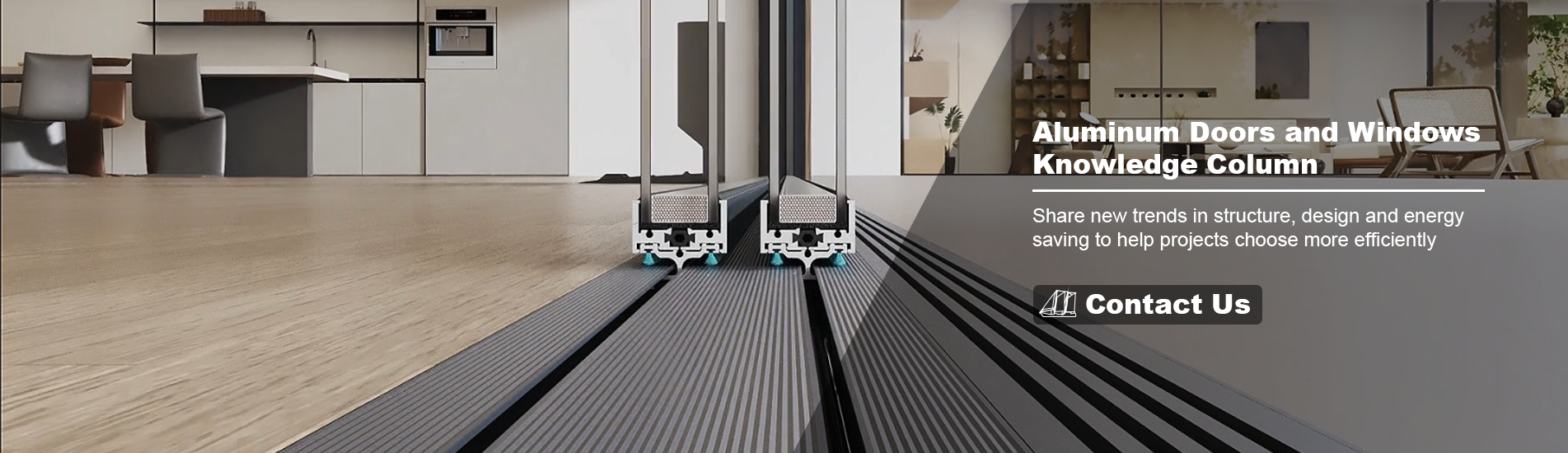
When choosing window and door systems for residential or commercial construction, one of the most important technical decisions you will make is selecting between thermal break aluminum windows and non-thermal break profiles. Aluminum is widely recognized as a premier building material due to its exceptional strength, modern aesthetics, and long-lasting durability. However, solid aluminum is naturally a good conductor of heat and cold.
Understanding how thermal engineering solves this thermal conductivity issue—and how it impacts indoor comfort, energy bills, and property value—will help you make the right choice for your project.
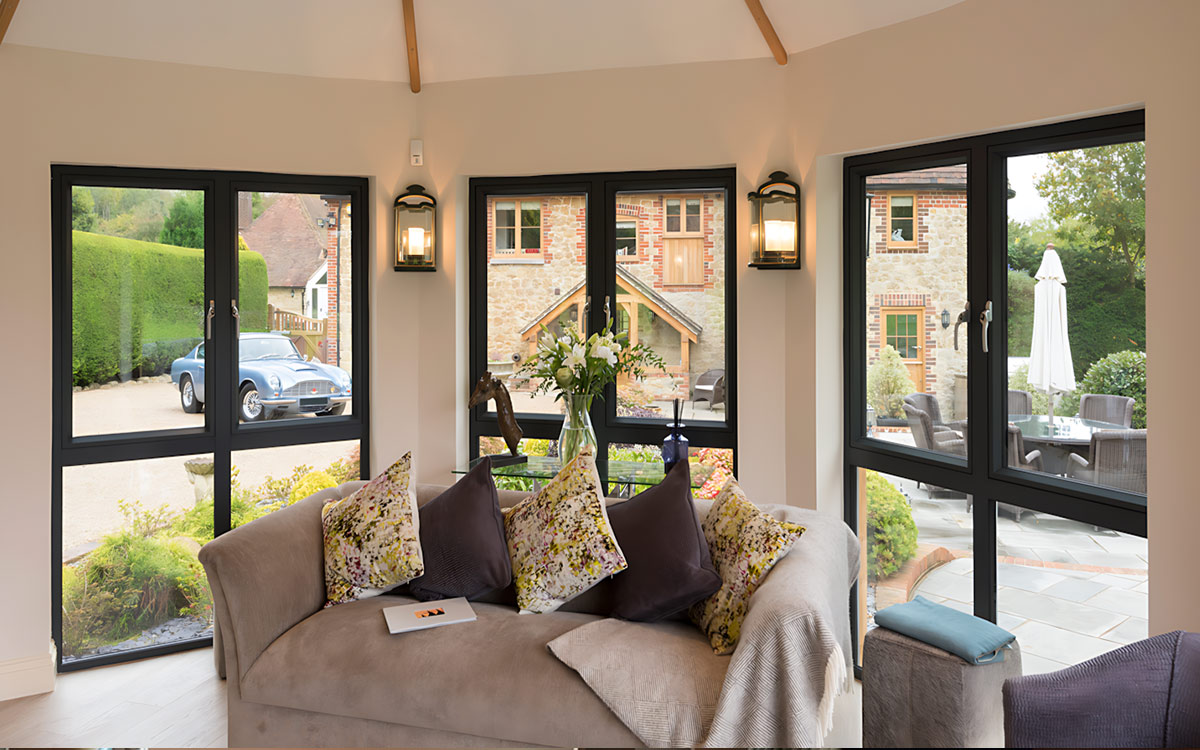
A non-thermal break window is made from a single, continuous piece of extruded aluminum. While it offers superior structural stability and slim sightlines, it lacks an internal insulation barrier.
How It Functions: Because metal conducts heat rapidly, outdoor heat during summer or freezing cold during winter passes straight through the aluminum frame into the room.
Best Use Cases: Non-thermal profiles are budget-friendly and work exceptionally well for interior office dividers, sunrooms in mild climates, or unheated storage spaces where thermal insulation is not a primary requirement.
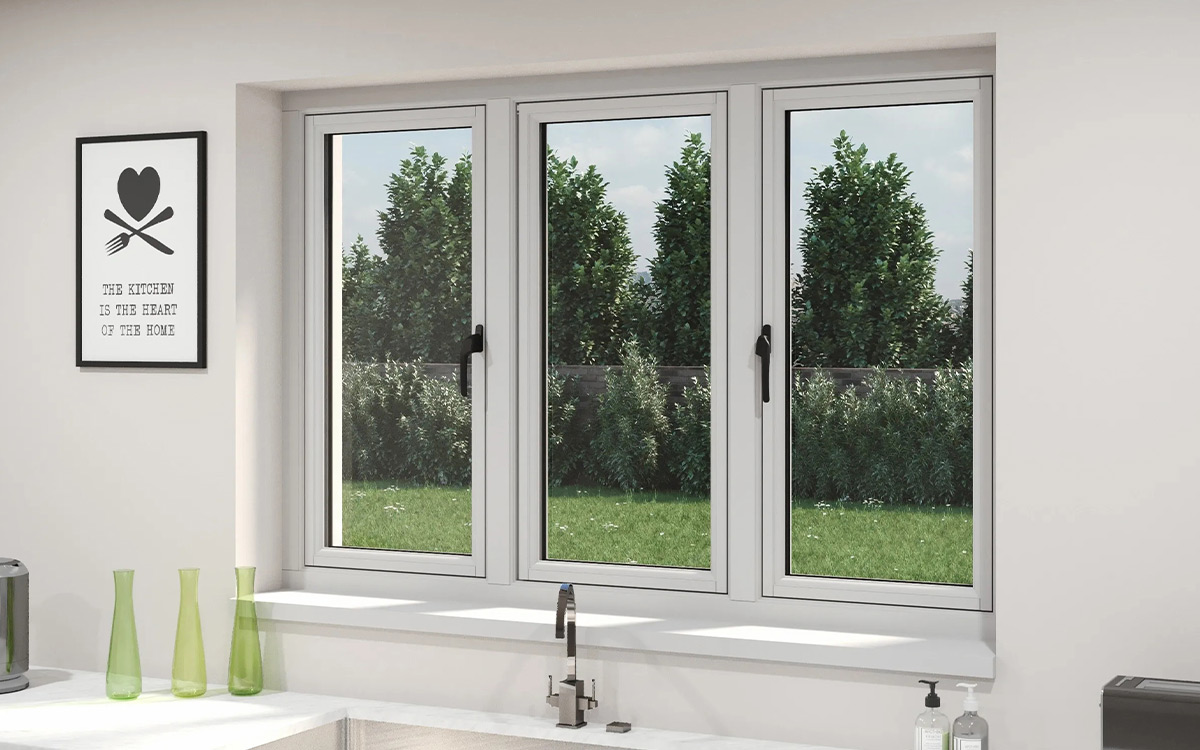
To eliminate the thermal conductivity of standard aluminum frames, engineers developed thermal break aluminum doors and windows.
How It Functions: A high-density, low-conductivity insulating strip—typically made of reinforced polyamide—is placed between the interior and exterior aluminum profiles. This creates a physical "break" that stops heat transfer (thermal bridging).
Performance Impact: By blocking heat conduction, thermal break systems keep indoor spaces warm during winter and cool during summer. When paired with double or triple-pane insulated glass, they significantly reduce heating and cooling expenses while preventing indoor window condensation.
Comparing non-thermal and thermal break options side by side highlights why thermal technology has become the global standard for modern homes:
| Feature / Benefit | Non-Thermal Break Windows | Thermal Break Aluminum Windows |
| Thermal Insulation | Low (allows heat/cold transfer) | High (blocks thermal bridging) |
| Indoor Condensation | High risk in cold climates | Virtually eliminated |
| Noise Reduction | Standard sound insulation | Enhanced acoustic dampening |
| Energy Bill Impact | Higher HVAC running costs | Lower long-term energy consumption |
When designing a modern home or residential development, builders frequently mix different fenestration styles to match spatial needs:
For Wide Patio Openings: Combine thermal break window frames with smooth-operating aluminum bifold doors or large sliding glass walls to connect indoor living rooms directly with backyard terraces.
For Uniform Aesthetics: Sourcing all your windows and door systems from a single residential aluminum doors and windows product line ensures matching frame colors, powder-coated finishes, and consistent sightlines throughout the building.
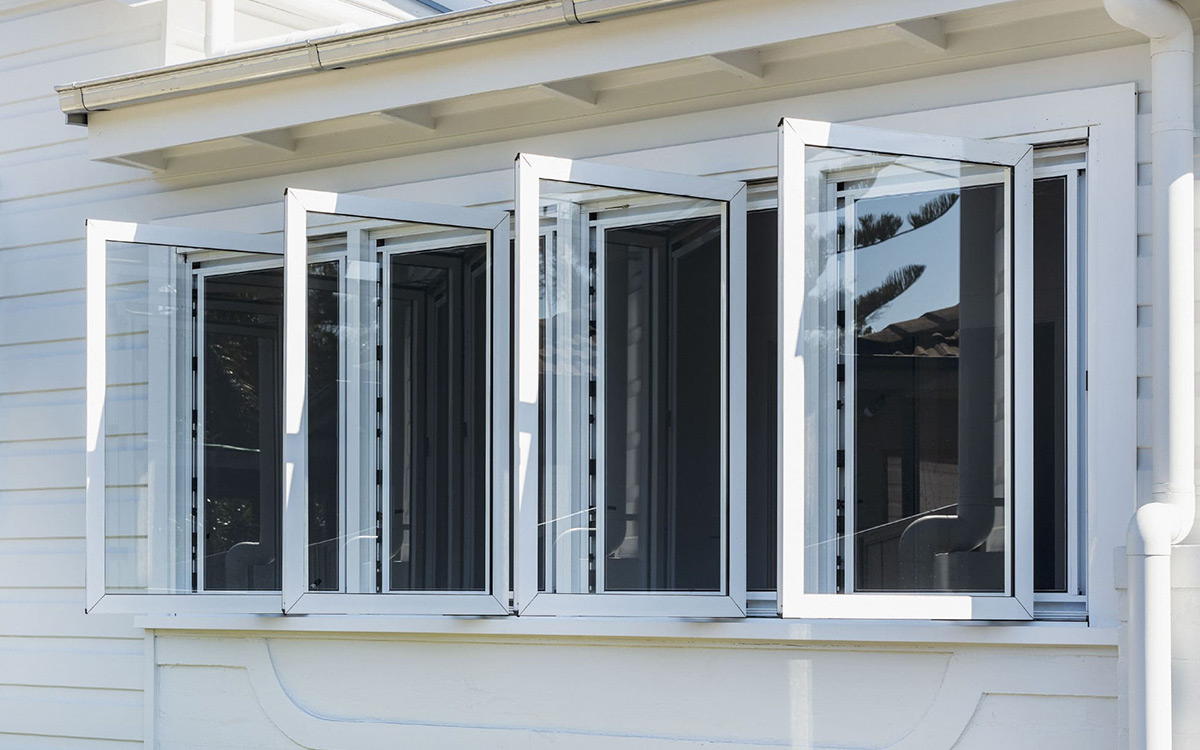
Because custom building designs require millimeter-accurate measurements, ordering directly from an experienced aluminum doors and windows manufacturer or a specialized aluminum doors and windows factory gives you complete control over your project specifications.
Partnering with an established aluminum doors and windows supplier China provides several key advantages:
Custom Engineering: Request custom thermal break depth, specialized Low-E glass coatings, and custom powder-coat frame finishes.
Factory-Direct Value: Eliminate distributor markups, making high-end insulated window and door systems far more cost-effective for contractor bids and development projects.
A: When warm, humid indoor air touches a cold non-thermal aluminum frame, moisture in the air condenses on the metal surface. Thermal break windows prevent this by keeping the interior frame temperature close to room temperature.
A: Yes. Although thermal break windows have a higher upfront cost due to the added polyamide insulation bars and precision manufacturing, the long-term energy savings on utility bills make them a far better investment over time.
A: Absolutely. Most modern residential builds use matching thermal break window profiles alongside insulated aluminum bifold doors to maintain consistent thermal efficiency and design aesthetics across the entire house.
A: Not at all. High-tensile structural polyamide strips are engineered to hold the aluminum extrusions firmly together, maintaining the high wind-load resistance and structural integrity that aluminum is known for.
A: Look for a certified aluminum doors and windows supplier China that offers certified thermal test reports, CAD shop drawing support, and robust export packaging to ensure products arrive safely at your job site.
 IPv6 network supported
Our hours