


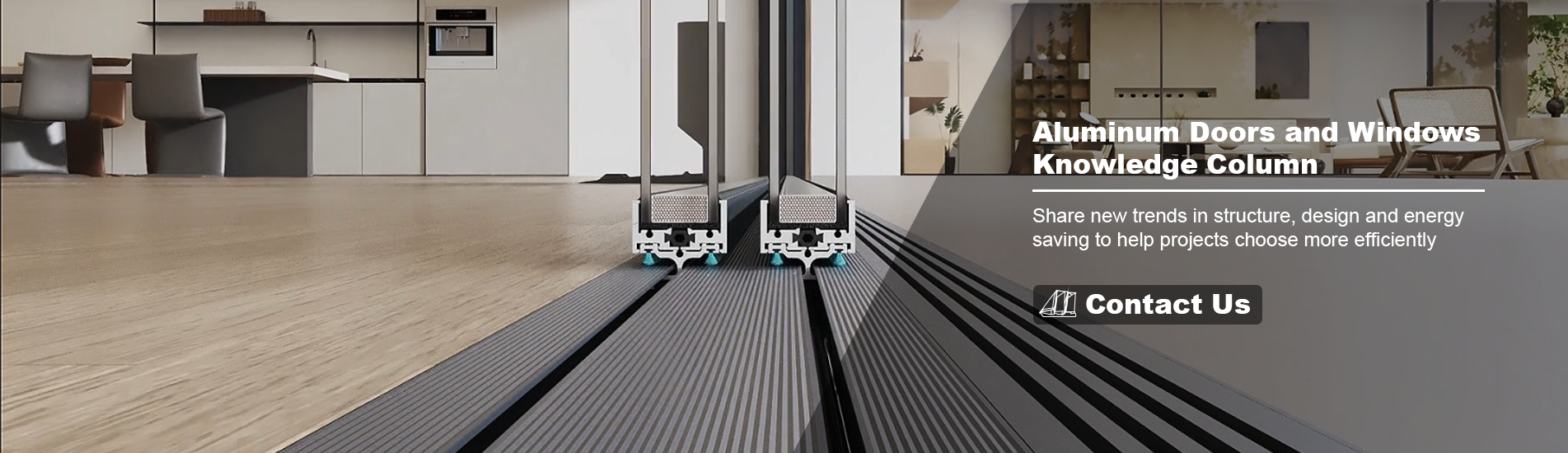
When planning a high-end architectural renovation or a custom residential build, choosing the right exterior door system is one of the most critical decisions you will make. Homeowners, architects, and developers constantly weigh two premium options: ultra slim sliding doors and modern folding doors. Both choices maximize natural light and blur the line between indoor living areas and the outdoors, but they operate through entirely different engineering mechanisms.
If you are trying to decide which system best fits your project, let’s break down the key differences, benefits, and applications of both architectural solutions.
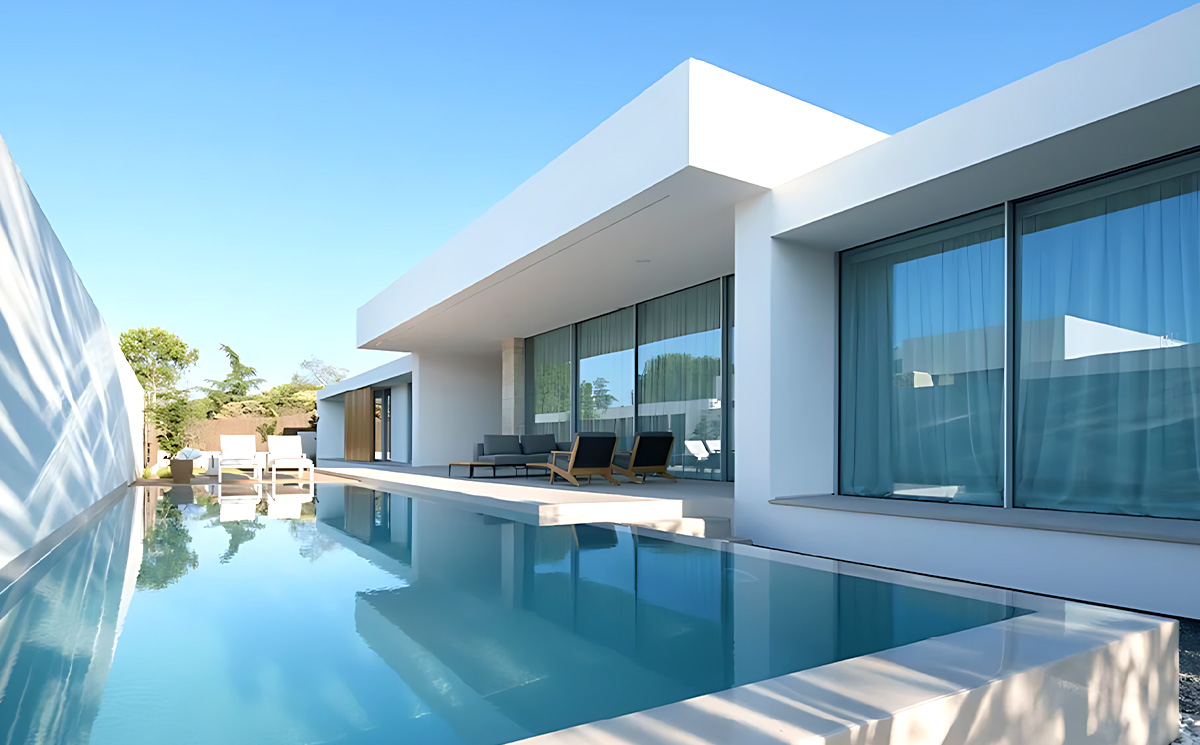
1. Understanding the Core Differences
Before diving into spatial layouts, it helps to understand how each system functions:
- Ultra Slim Sliding Doors: These systems feature large glass panels that slide horizontally on parallel tracks. Because of advanced aluminum engineering, their vertical sightlines can be reduced down to a minimal profile (such as a 20mm slim sliding door or 20mm Sightline Sliding Door standard), offering an uninterrupted, wall-to-wall glass panorama.
- Bifold Folding Doors: Folding systems (or accordion doors) consist of multiple panels hinged together that fold and stack neatly to one or both sides of the opening. When fully opened, they can clear up to 90% or more of the entire structural opening.
2. Spatial Impact and Opening Dynamics
How you intend to use your space dictates which door system will serve you best:
- Maximized Opening vs. Uninterrupted Views:
- If your primary goal is a 100% open, wide-breezeway during summer months, a multi panel folding door system or wide opening folding doors provides the most open-air freedom.
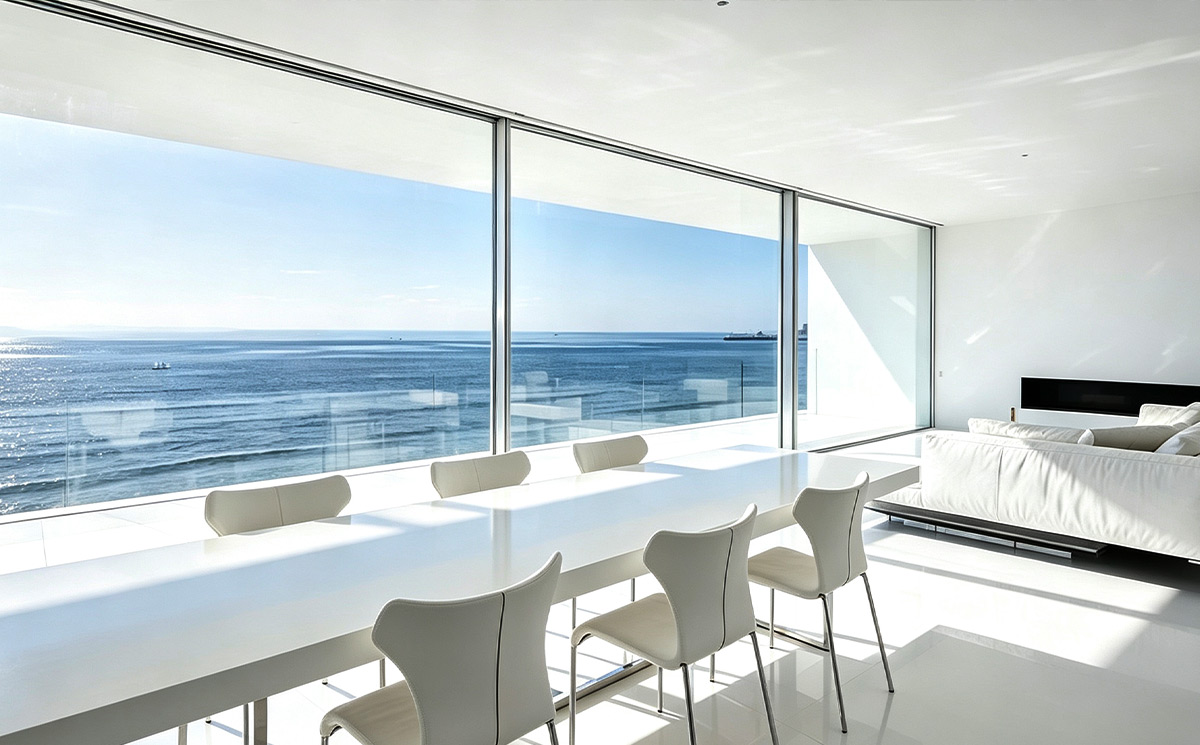
- If your priority is maintaining a clean, unobstructed view of your garden, lake, or ocean horizon even when the doors are closed, an ultra slim sliding door is unmatched because it requires fewer vertical mullions.
- Indoor Furniture Placement:
- Sliding doors move parallel along their tracks, meaning interior furniture and exterior patio chairs can sit right next to the glass without blocking movement.
- Folding doors stack outward or inward, requiring clear clearance zones around the folding panels.
3. Engineering Performance: Weatherproofing and Insulation
Both systems are engineered to meet stringent architectural standards, but their hardware configurations differ:
- Thermal Efficiency: Premium versions of both systems incorporate thermal break slim sliding door technology or insulated folding profiles. High-density polyamide thermal breaks stop heat transfer, ensuring your home stays energy-efficient in winter and cool in summer.
- Weather Resistance: High-end weather resistant folding doors and precision-tracked sliding systems both utilize heavy-duty EPDM rubber gaskets and multi-point locking mechanisms to protect against wind-driven rain. However, sliding doors excel particularly well in high-wind coastal environments due to their continuous fixed track engagement.
4. Making Your Choice: Which One Should You Pick?
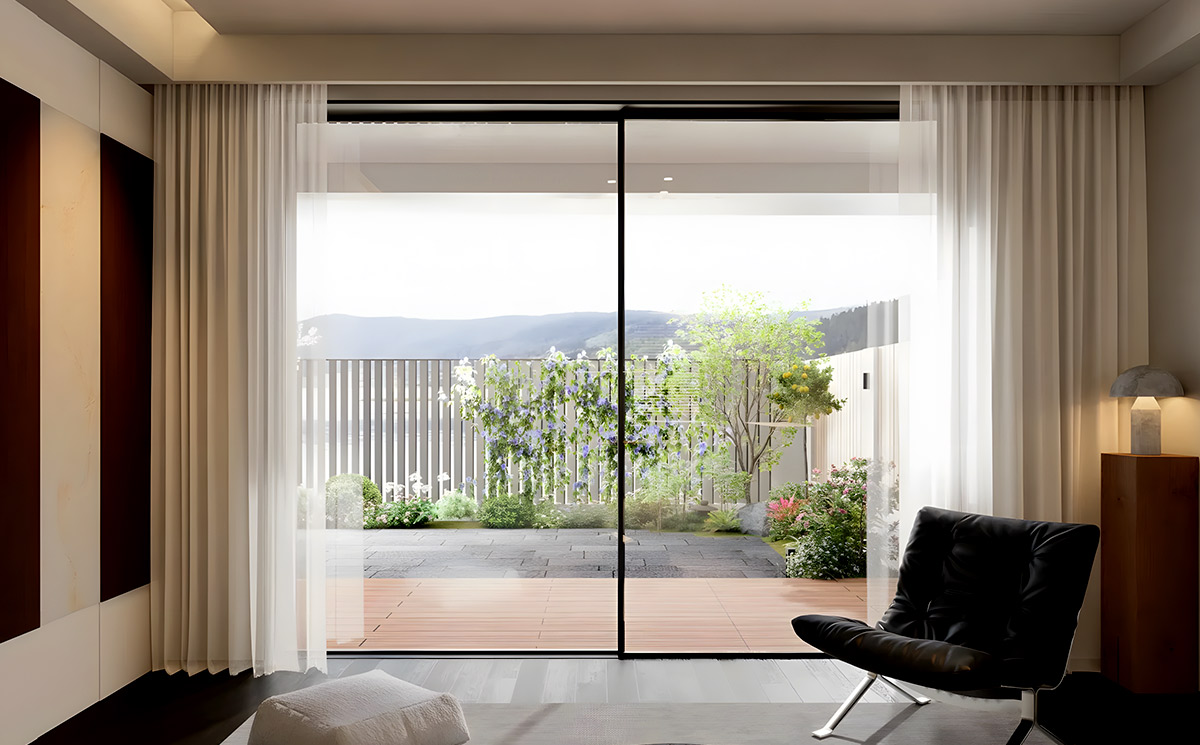
- Choose Ultra Slim Sliding Doors if: You want a sleek, modern “glass wall” aesthetic, need massive floor-to-ceiling glass heights (exceeding 3.5 meters), and prefer minimalist sightlines that prioritize landscape views over a total wall opening.
- Choose Bifold Folding Doors if: You want to completely eliminate the barrier between indoor and outdoor dining or entertainment areas, and desire a flexible, accordion-style stackable opening.
Frequently Asked Questions (FAQs)
Q1: Which system offers a wider open space: sliding doors or folding doors?
A: Folding doors offer a wider open space. While traditional sliding doors usually leave at least one glass panel fixed (opening about 50% to 66% of the span), bifold folding doors stack completely to the side, unlocking up to 90% or more of the entire structural opening.
Q2: Can slim sliding doors and folding doors be made with flush floor tracks?
A: Yes. Both systems can be installed with recessed, low-threshold floor tracks that sit completely level with your interior flooring and outdoor decking, creating a zero-trip hazard transition.
Q3: Are ultra slim sliding doors secure against forced entry?
A: Absolutely. Despite their delicate visual profile, modern sliding systems utilize high-tensile aluminum alloys, multi-point shoot-bolt locks, anti-lift tracks, and toughened safety glass to provide elite home security.
Q4: How do I choose between a sliding or folding system for a custom villa project?
A: It depends on your architectural layout and lifestyle. If you want maximum landscape visibility with minimal frames, go with a slim glass sliding door for villa projects. If you host large gatherings and want an entirely open party space, a folding system is ideal.
Q5: Can I source custom sizes directly from a manufacturer?
A: Yes. Because high-end residential and commercial blueprints require exact millimeter precision, partnering directly with a specialized factory manufacturer ensures your doors are custom-engineered to your exact dimensions, wind-load requirements, and aesthetic finishes.
 IPv6 network supported