Single vs. Double-Hung Windows: The Ultimate Buying Guide for Modern Homes
October 17, 2026
When upgrading home windows, homeowners, architects, and homebuilders often face a classic choice: single-hung vs. double-hung windows. Both styles offer timeless beauty, exceptional versatility, and a space-saving vertical slide mechanism, making them staple choices across modern and traditional architectural styles.
However, understanding the subtle engineering, ventilation, and maintenance differences between these two designs is crucial before placing a custom order. This guide provides a clear breakdown to help you choose the best window system for your project.
1. What Is the Difference Between Single-Hung and Double-Hung Windows?
The primary distinction between single-hung and double-hung windows comes down to sash operation:
Single-Hung Windows: Feature a fixed top sash and a movable bottom sash that slides upward to open. Because the top portion remains stationary, it offers slightly higher air-tightness and lower manufacturing costs.
Double-Hung Windows: Allow both the top and bottom sashes to move vertically. You can lower the top sash to let hot air escape while raising the bottom sash to draw cooler air inside, creating natural thermal convection.
2. Key Benefits of Vertical Sliding Sash Windows
Vertical sliding windows are widely popular in modern residential developments and classic villa restorations due to several clear functional advantages:
Superior Air Circulation & Ventilation: Double-hung systems allow for dual-ventilation. Opening both sashes creates an efficient draft that naturally refreshes indoor air without requiring high air-conditioning loads.
Easy Cleaning & Tilting Sashes: Most modern double-hung designs feature tilt-in sashes. Homeowners can easily tilt the glass panels inward to clean the exterior glass safely from inside the room—an essential feature for second-story or high-rise bedrooms.
Zero Swing Space Required: Unlike casement windows that crank outward, vertical slider windows open smoothly along internal tracks. This makes them ideal for window openings adjacent to outdoor walkways, patios, or porch seating areas.
3. Choosing the Right Frame Material and Grille Styles
Window frames do far more than hold glass—they define the architectural character and thermal performance of your home.
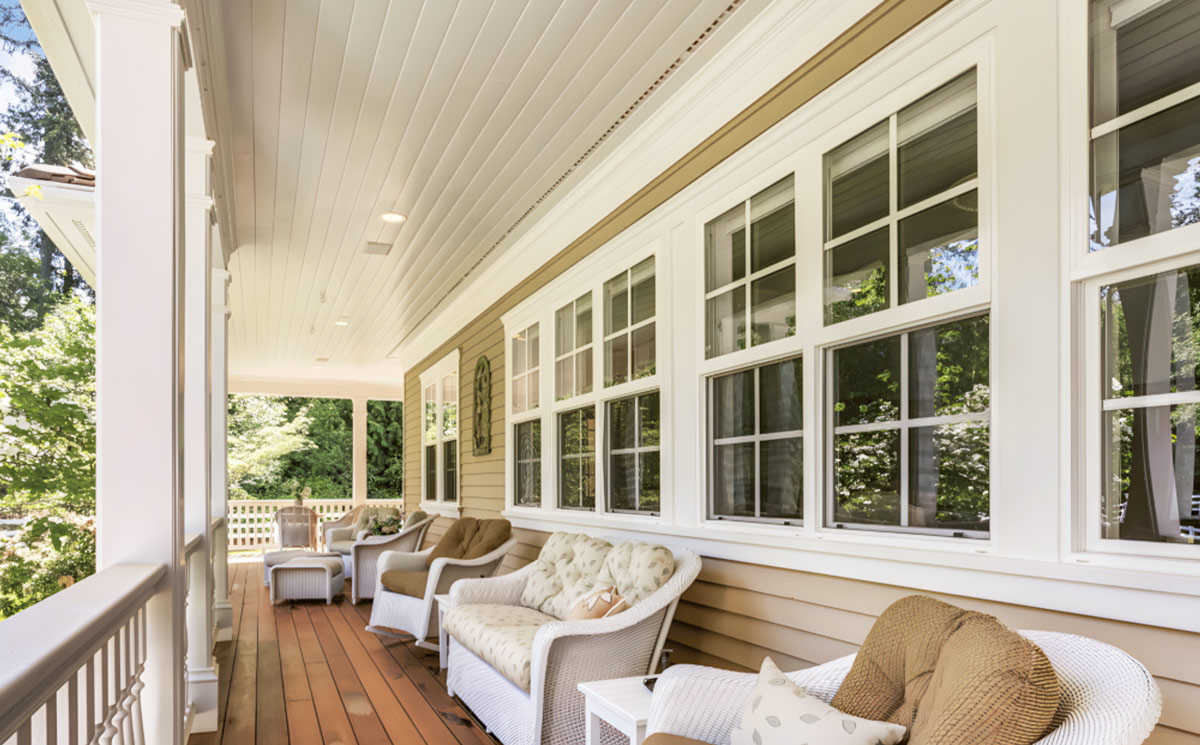
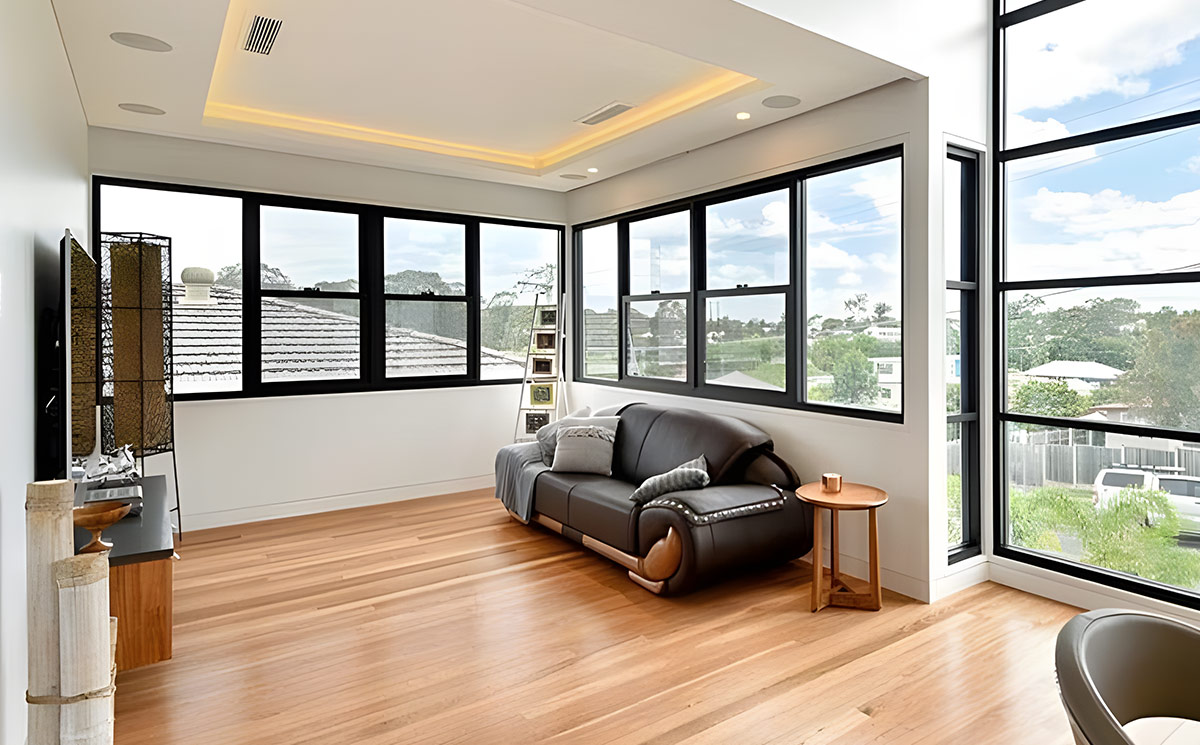
Contemporary Black Frame Designs: Modern residential builds frequently specify black aluminum or composite frames to create bold contrast against light walls and wooden floors.
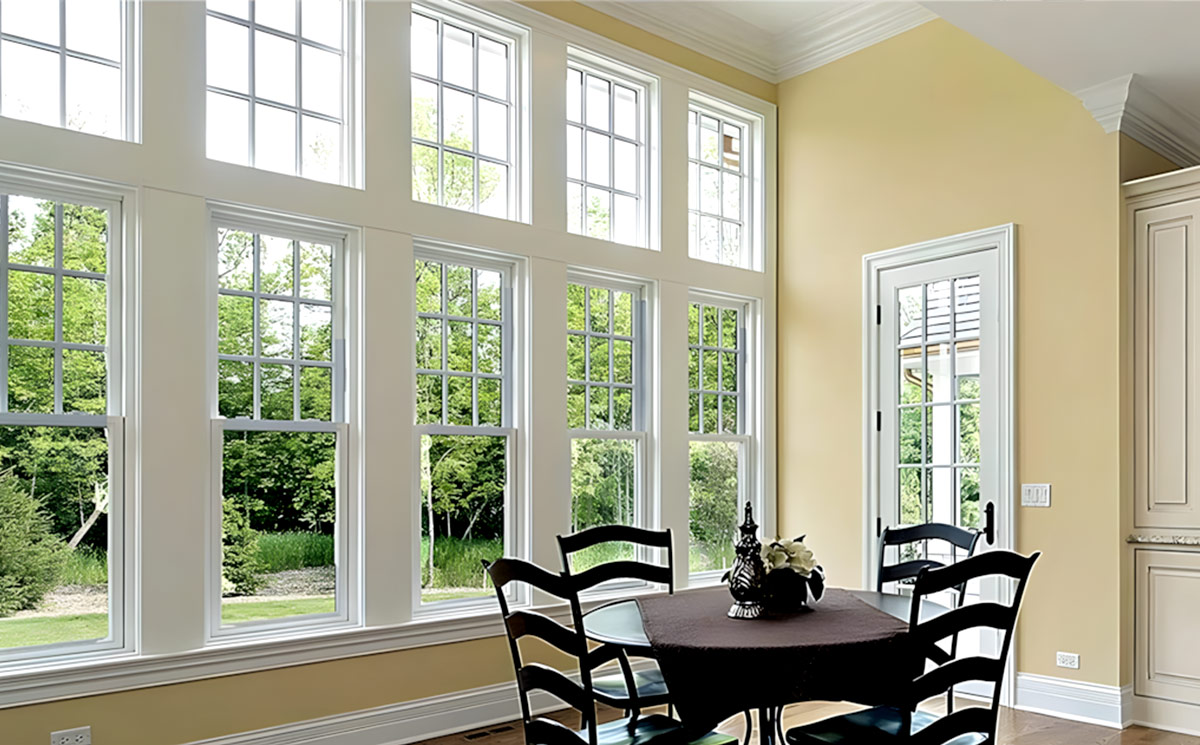
Classic Grids & Colonial Divided Lites: Adding decorative muntin bars or grids (such as 4-lite or 6-lite patterns) imparts classic charm to suburban homes, farmhouses, and estate villas.
High-Rise & Transom Window Combinations: For rooms with high ceilings, combining hung windows with fixed transom windows above maximizes vertical sunlight while maintaining operable lower ventilation.
4. Sourcing Custom Windows Direct from the Manufacturer
Because residential blueprints require exact rough opening dimensions, off-the-shelf retail store windows rarely fit high-end custom developments.
For builders, contractors, and regional window distributors, ordering custom-engineered windows directly from an established window manufacturer or supplier provides significant benefits:
Tailored Thermal Glass: Specify Low-E coatings, double-glazing, argon gas fills, or impact-resistant laminated glass based on local climate zones.
Custom Powder-Coated Colors: Choose custom frame colors, durable fluorocarbon finishes for coastal areas, and bespoke grille designs.
Wholesale Project Pricing: Direct factory sourcing eliminates intermediary trade markups, optimizing margins for large-scale housing projects.
Frequently Asked Questions (FAQs)
Q1: Are double-hung windows more expensive than single-hung windows?
A: Yes, double-hung windows typically cost 15% to 25% more than single-hung windows due to the extra hardware, counter-balance balances, and tilt-in track mechanisms required for both sashes to operate independently.
Q2: Can I clean the exterior of double-hung windows from inside my home?
A: Absolutely. Most modern double-hung windows come with tilt-in sashes. By releasing the sash latches, both the upper and lower glass panels tilt inward, allowing you to clean the exterior glass safely without ladders.
Q3: Which window type is more energy efficient: single-hung or double-hung?
A: Single-hung windows are slightly more airtight because the top sash is permanently sealed into the frame, reducing potential air leakage points. However, high-quality double-hung windows equipped with double-glazing, thermal breaks, and heavy-duty weatherstripping meet strict Energy Star efficiency standards.
Q4: Are double-hung windows safe for children’s bedrooms?
A: Yes. In double-hung windows, you can keep the bottom sash locked closed and open only the top sash for ventilation. This allows fresh air into the bedroom while keeping the open sash well out of reach of young children.
Q5: Can double-hung windows be installed in coastal storm zones?
A: Yes, provided they are specified with reinforced aluminum profiles, multi-point locks, and impact-resistant laminated glass designed to handle severe wind loads and flying debris in coastal areas.